Heart Health
Addressing the Disproportionate Impact of Heart Disease on Black Women
Cardiovascular specialists highlight the urgent need for targeted prevention, bias reduction, and increased workforce diversity to combat disproportionate cardiac mortality among African American women.
Published September 22, 2026 · HealthHBCU Newsroom

Heart disease remains the leading cause of death for women in the United States, but the burden falls disproportionately hard on Black women. Cardiovascular conditions develop earlier, progress more rapidly, and lead to fatal outcomes at significantly higher rates among African American women compared to their white peers.
Prominent cardiovascular specialists, including Dr. Icilma Fergus, are calling for heightened public awareness and targeted medical interventions to address this ongoing crisis. Medical experts emphasize that structural disparities, delayed diagnoses, and unequal access to quality healthcare continue to drive these unequal health outcomes.
Systemic Drivers of Cardiovascular Disparities
The elevated risk of heart disease among Black women is tied to higher prevalence rates of key risk factors, including hypertension, diabetes, and obesity. High blood pressure is particularly widespread, affecting Black women at some of the highest rates in the world. Often referred to as a silent killer, hypertension frequently goes undiagnosed or unmanaged until severe cardiovascular damage has already occurred.
Beyond biological factors, social determinants of health play a critical role. Chronic stress stemming from systemic racism, socioeconomic disparities, nutritional inequities, and limited access to preventive care all contribute to premature cardiovascular aging and worse clinical outcomes for Black women.
The Critical Need for Culturally Competent Care
Addressing this crisis requires structural changes in clinical practice and medical education. Patients often face systemic bias within the healthcare ecosystem, leading to minimized symptoms and delayed diagnostic testing when presenting with signs of cardiac distress.
Increasing the representation of Black physicians and cardiovascular specialists is a vital step toward improving patient trust, communication, and overall quality of care. Historically Black Colleges and Universities and their affiliated medical schools play an indispensable role in training clinicians who understand the specific cultural and systemic factors impacting Black patients.
Empowerment Through Prevention and Advocacy
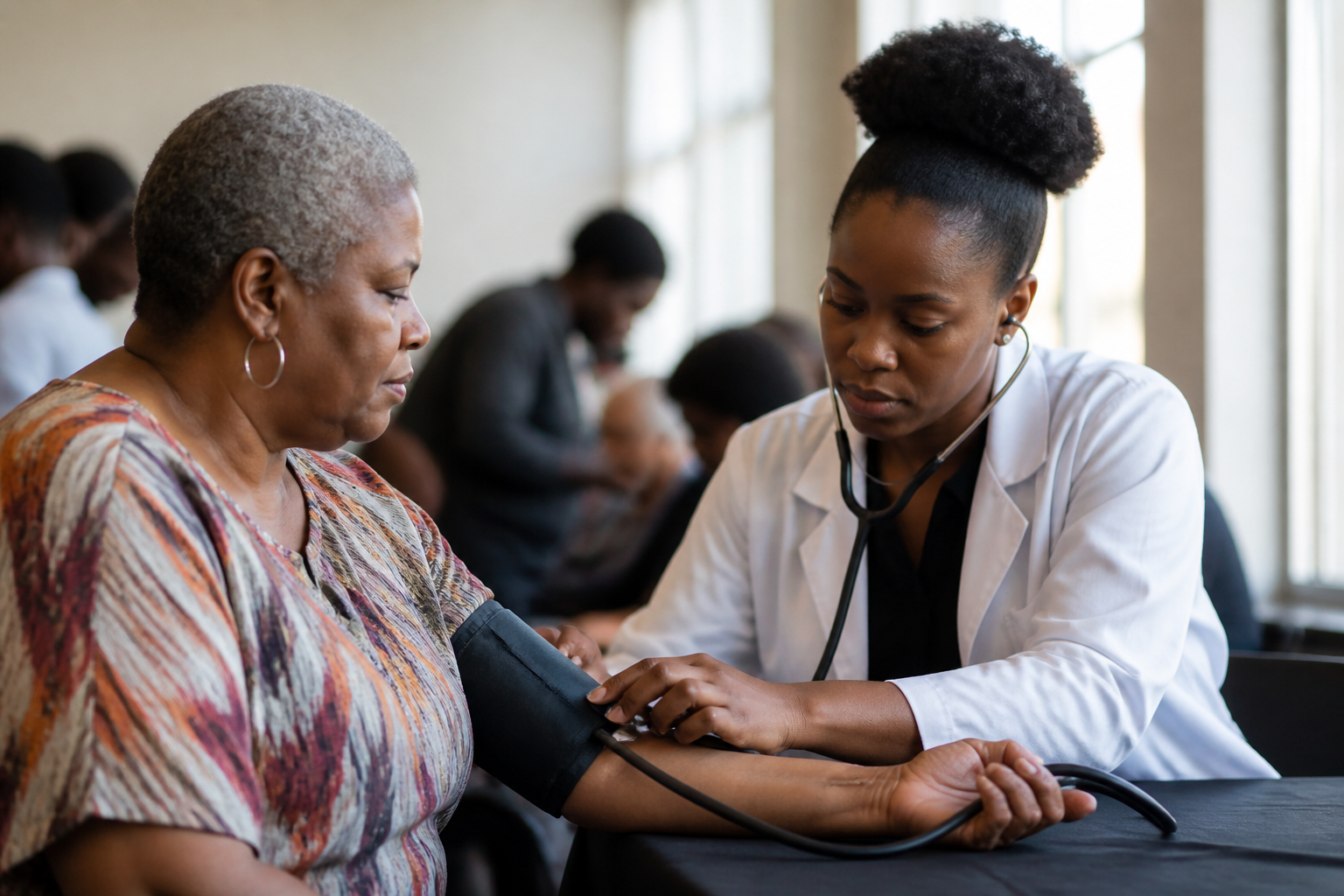
Preventive medicine and self-advocacy remain vital tools in combatting cardiovascular mortality. Medical leaders stress the importance of regular blood pressure screenings, understanding family medical history, and recognizing that heart attack symptoms in women often differ from classic warning signs observed in men.
Community-based outreach programs and targeted public health campaigns are essential for equipping Black women with the knowledge needed to advocate for their health. By combining patient education with systemic healthcare reform and a strengthened Black medical workforce, public health advocates aim to close the mortality gap and protect the cardiovascular health of Black women.