Black Health
Black Patients Six Times More Likely to Experience Severe Vision Loss Following Glaucoma Diagnosis
A study by Mount Sinai researchers reveals stark racial inequities in eye care, highlighting the need for early detection and expanded access to specialist care.
Published September 22, 2026 · HealthHBCU Newsroom
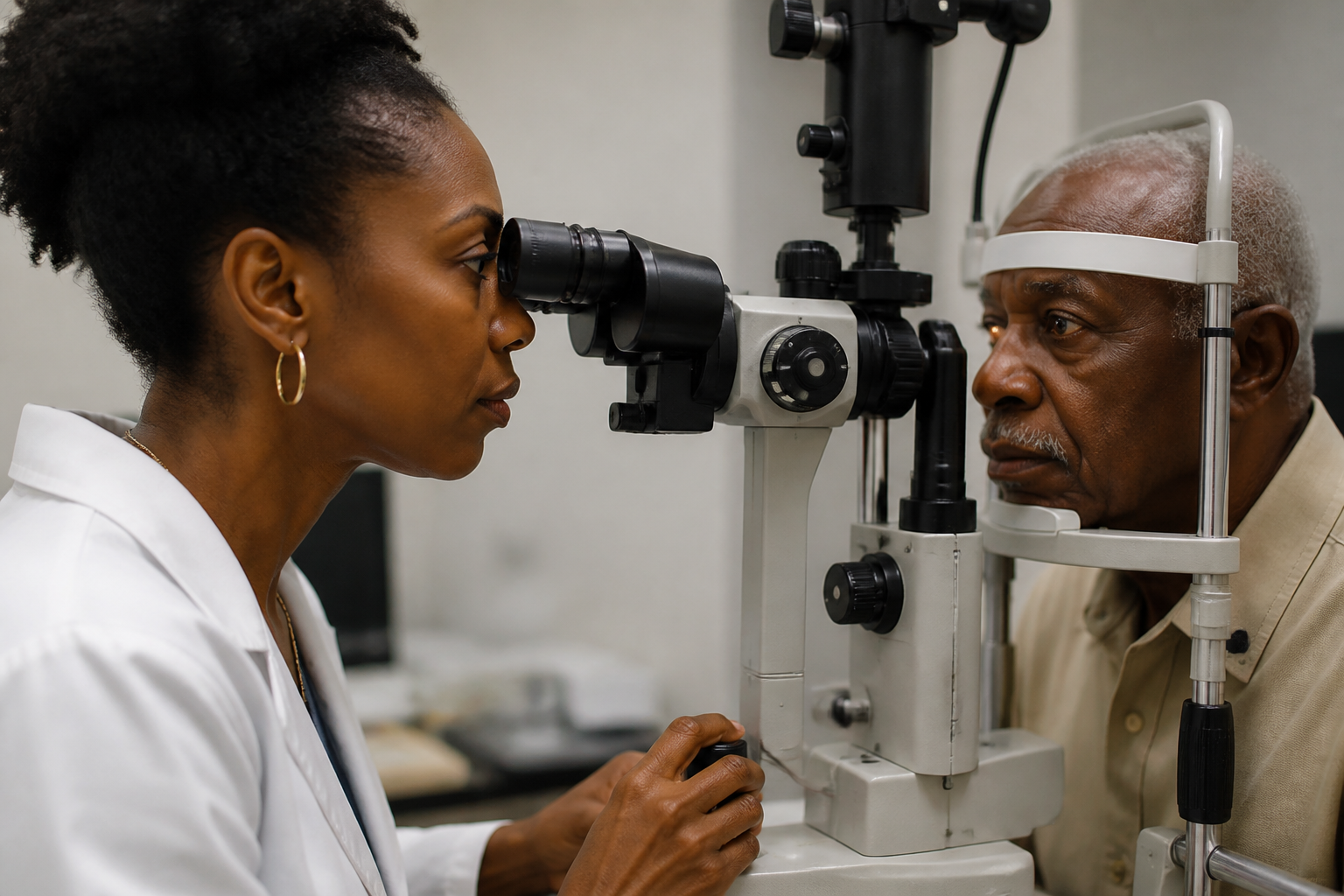
Black patients face a significantly higher risk of experiencing severe vision impairment following a glaucoma diagnosis compared to their white counterparts, according to a study conducted by researchers at Mount Sinai. The findings highlight persistent disparities in eye care outcomes and underscore the urgent need for targeted intervention strategies in vulnerable populations.
Glaucoma, a leading cause of irreversible blindness worldwide, often progresses without early symptoms, making timely detection and ongoing management critical. The research indicates that systemic barriers to care, delayed diagnoses, and unequal access to advanced ophthalmic treatments continue to disproportionately affect Black patients, leading to more advanced disease progression at the time of intervention.
Disparities in Vision Preservation
The study's results emphasize that the risk of advanced vision loss after being diagnosed with glaucoma is roughly six times greater for Black individuals than for white individuals. Ophthalmic experts point out that structural inequities within the healthcare system—including insurance limitations, geographic barriers to specialist care, and socio-economic stress—contribute significantly to these divergent outcomes.
Because early-stage glaucoma typically causes no pain or obvious changes in vision, routine comprehensive eye exams are essential for catching the condition before irreversible damage occurs. However, routine screenings remain less accessible in many historically underserved communities, allowing the disease to advance unchecked in a higher percentage of Black patients.
Addressing the Need for Culturally Competent Care
Mitigating these stark disparities requires a multi-pronged approach focused on expanding access to preventative screenings, improving patient education regarding eye health, and building a more diverse workforce in ophthalmology. Increasing the number of Black eye care professionals and medical researchers is a vital component of closing the health equity gap, as clinicians from underrepresented backgrounds are more likely to practice in underserved areas and foster trust among minoritized patient groups.
Academic institutions, particularly HBCUs with medical schools and health sciences programs, play a crucial role in training the next generation of physicians equipped to address these public health challenges. By prioritizing health equity and expanding community-based vision screening initiatives, public health leaders can work to ensure that early detection and effective treatments are accessible to all patients regardless of race.