Mental Health
Elevating Conversations on Black Mental Health and Community Wellness
Promoting culturally competent care and expanding the pipeline of Black clinicians remain essential steps in addressing psychological health disparities.
Published September 22, 2026 · HealthHBCU Newsroom

Addressing the pervasive mental health crisis in Black communities requires a multi-faceted approach rooted in culturally competent care, community education, and accessible resources. Historical stigmas, economic disparities, and a systemic lack of diverse providers have long prevented many African Americans from seeking or receiving adequate psychological support.
Recent discussions highlighted on local broadcasts, including WHUR 96.3 FM's "Medical Monday" segment, emphasize the urgent need to bring psychiatric wellness to the forefront of public health conversations. By engaging expert voices and creating dedicated spaces for dialogue, community advocates are working to dismantle long-standing misconceptions around psychological care.
Overcoming Barriers to Care
For generations, discussions surrounding emotional well-being were often sidelined within Black households due to cultural resistance, privacy concerns, or deep-seated mistrust of medical institutions. This hesitation frequently leads to delayed treatment, causing manageable conditions like anxiety and depression to escalate into severe crises.
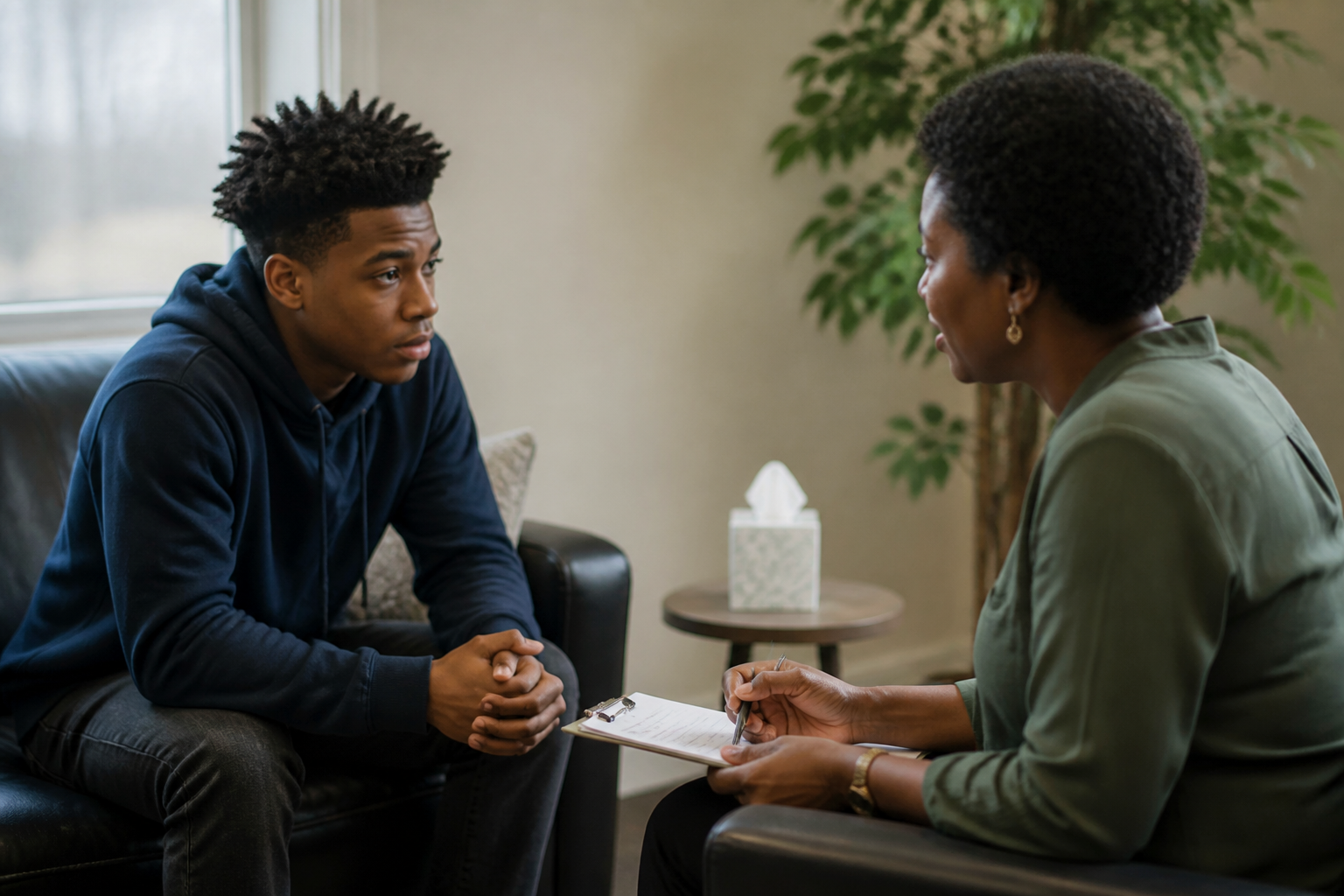
Beyond social stigma, structural inequities pose a significant challenge. A persistent shortage of Black psychologists, psychiatrists, and licensed counselors means patients rarely find clinicians who share their lived experiences. Culturally competent professionals are crucial for establishing trust, accurately diagnosing symptoms, and delivering effective, empathetic therapy.
The Role of HBCUs in Behavioral Health
Historically Black Colleges and Universities serve as vital anchors in bridging this gap. HBCU psychology and behavioral science programs are uniquely positioned to train the next generation of Black mental health professionals, equipping them with both clinical excellence and cultural fluency.
In addition to expanding the talent pipeline, these institutions frequently host community outreach initiatives, offer accessible counseling services, and conduct essential research on health disparities. By integrating academic rigor with community trust, HBCUs help normalize conversations surrounding wellness and provide essential care to underserved populations.
Sustaining Community Wellness
Achieving long-term progress requires continuous advocacy, expanded funding for pipeline programs, and widespread mental health literacy. Normalizing these discussions in media, churches, and academic settings ensures that seeking help is viewed as a vital component of overall physical health.
Through ongoing dialogue, community engagement, and expanded institutional support, advocates are laying the groundwork for a more equitable healthcare system—one where comprehensive emotional support is accessible to all.