Nutrition & Fitness
Entrepreneur Ashley Kirk Redefines Black Nutrition Through Culturally Grounded Wellness
Entrepreneur Ashley Kirk is transforming wellness by delivering culturally relevant nutrition and fitness solutions tailored for Black communities.
Published September 22, 2026 · HealthHBCU Newsroom
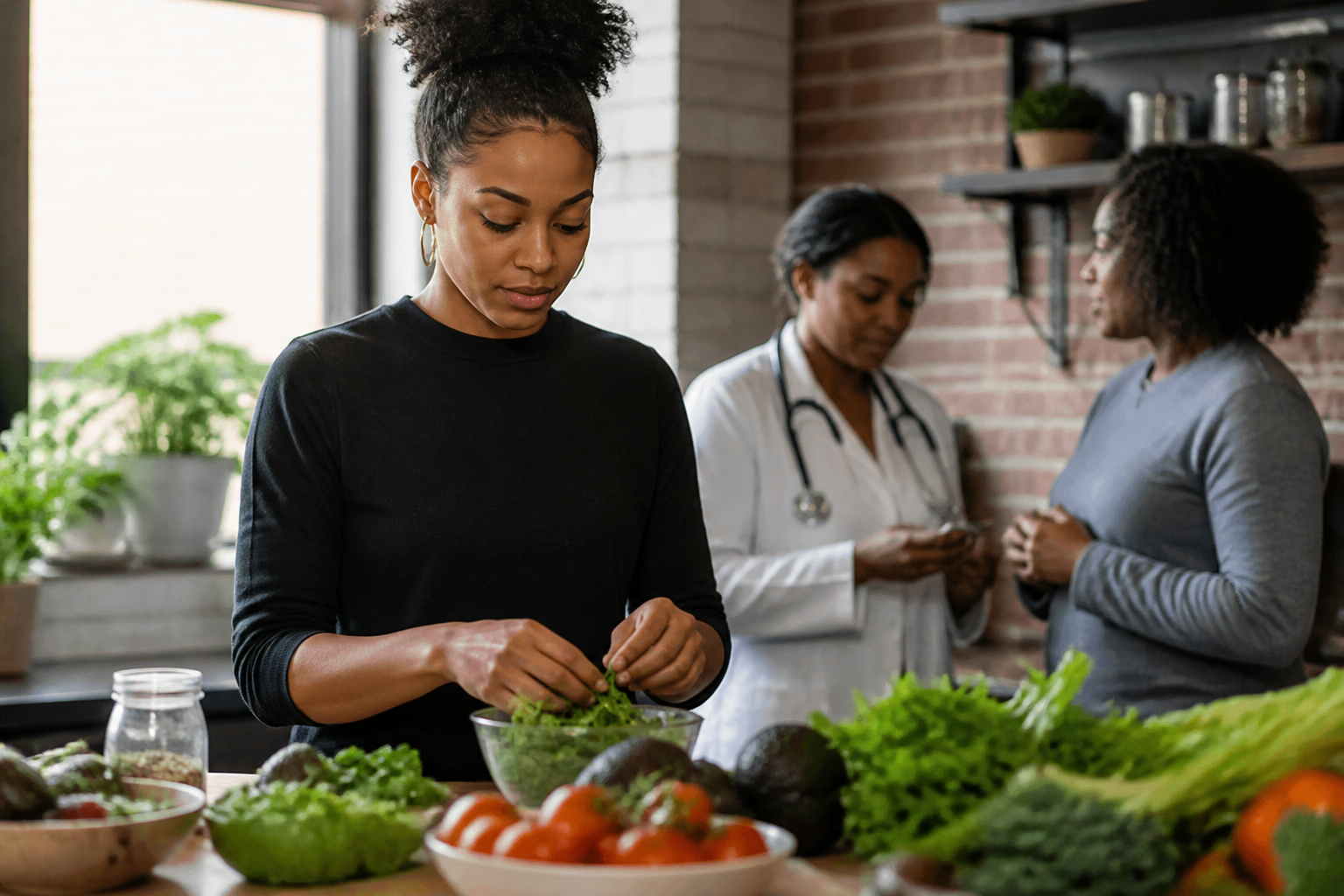
In a wellness landscape where mainstream nutritional advice often ignores cultural foodways, entrepreneur Ashley Kirk is charting a distinct path to make healthy living both accessible and culturally relevant for Black communities. By reframing traditional dietary narratives, Kirk is working to ensure that wellness strategies resonate with the lived experiences and culinary traditions of Black families.
Her approach addresses a longstanding gap in mainstream health promotion, which frequently overlooks the deep heritage of African American cuisine. By emphasizing nutrient-dense traditional ingredients and practical lifestyle adjustments, Kirk is demonstrating that improving health outcomes does not require abandoning cultural identity.
Reclaiming Culturally Relevant Wellness
For generations, systemic barriers and limited access to tailored nutritional education have contributed to disproportionate rates of diet-related chronic conditions among Black Americans. Heart disease, type 2 diabetes, and hypertension continue to impact Black communities at higher rates, driven in part by structural inequities in food systems and healthcare access.
Kirk’s work responds to these disparities by creating wellness solutions rooted in empowerment rather than restriction. By encouraging individuals to embrace wholesome, familiar foods while adopting sustainable fitness and lifestyle habits, her initiative helps dismantle the myth that healthy eating must be unfamiliar or exclusionary. This culturally grounded framework allows individuals to make informed dietary choices that support long-term metabolic and cardiovascular health.
Empowering Communities Through Representation
The push for inclusive nutrition highlights a broader necessity within the health and human sciences: expanding representation among dietitians, fitness professionals, and wellness entrepreneurs. Historically Black Colleges and Universities (HBCUs) play a pivotal role in this ecosystem, training a significant share of the nation's Black nutritionists, public health leaders, and allied health professionals.
When public health strategies and nutrition programs are developed by practitioners who understand the cultural nuances of the communities they serve, patient engagement and health literacy increase significantly. Scholars and practical innovators like Kirk demonstrate how culturally aligned health leadership can bridge the gap between clinical guidelines and everyday lifestyle habits.
Building Sustainable Habits for Long-Term Health
Beyond individual dietary choices, transforming community wellness requires sustainable, scalable strategies. Educational efforts that celebrate heritage while promoting balanced nutrition provide families with actionable tools to reduce their risk of chronic illness.
As conversation around health equity continues to evolve, initiatives that combine cultural pride with evidence-based nutrition offer a powerful blueprint for wellness. By reshaping how Black communities engage with food, exercise, and preventative care, leaders in this movement are helping pave the way toward lasting health equity and improved vitality for future generations.