Clinical Trials
Expanding Global Health Equity Through Inclusive Clinical Trial Participation
Increasing diversity in medical research and strengthening the pipeline of Black clinical investigators are vital steps toward global health equity and better outcomes for underrepresented populations.
Published September 29, 2026 · HealthHBCU Newsroom

The global landscape of clinical research is undergoing a critical shift as medical leaders, researchers, and global organizations call for expanded access and broader participation in clinical trials. Historically, the distribution of clinical research opportunities has been concentrated in specific geographical regions and demographic populations, leaving vast segments of the global population—including Black and minority communities—underrepresented in the development of new treatments and medical interventions.
Addressing this disparity requires a fundamental reexamination of how clinical trials are designed, recruited, and executed across diverse communities worldwide. When medical interventions are tested primarily on narrow demographics, the resulting treatments may fail to account for biological, environmental, and social variations that impact health outcomes in underserved populations.
The Push for Demographic Diversity in Medical Research
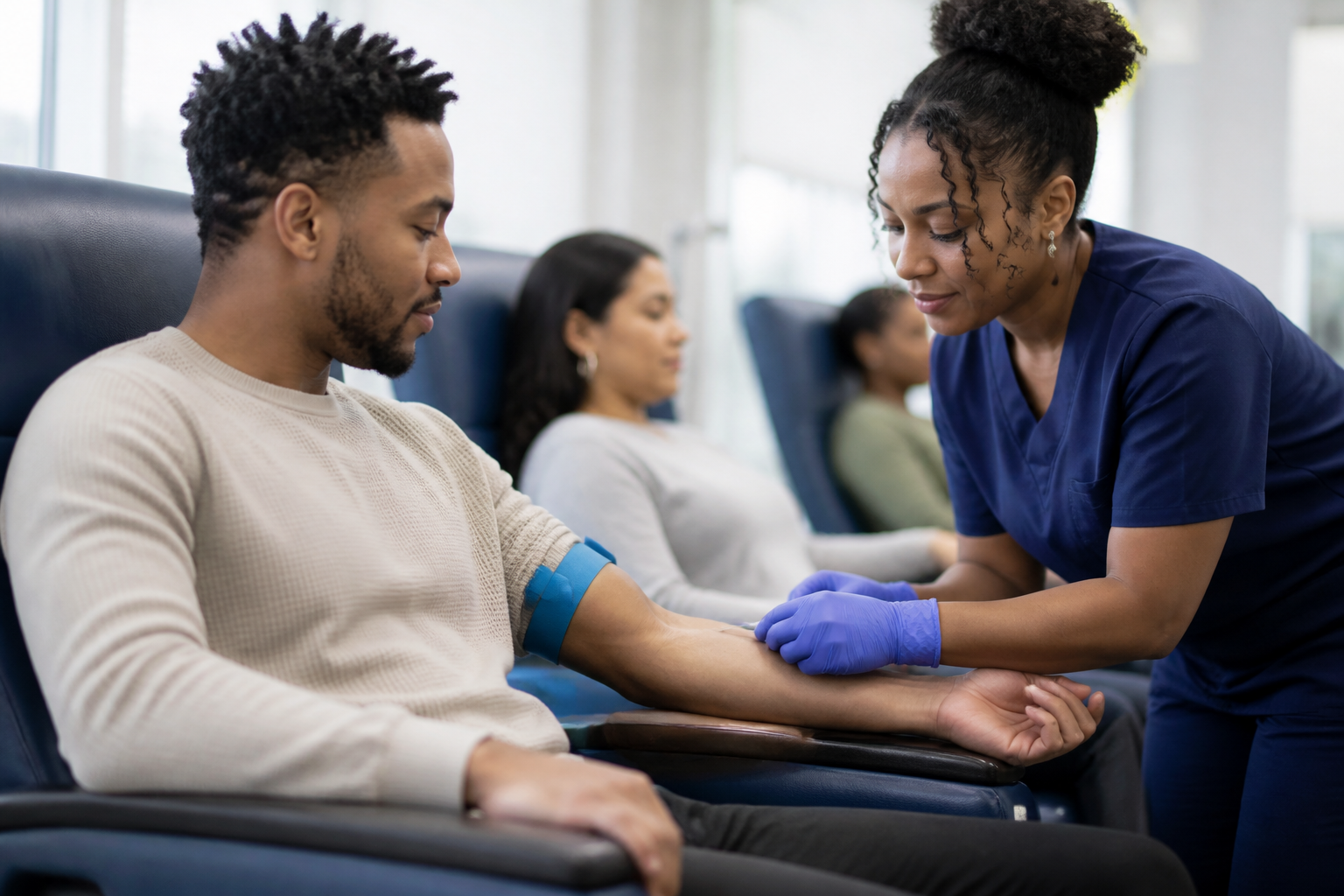
Expanding participation in clinical trials is essential for ensuring that lifesaving drugs and therapeutic innovations are both safe and effective for everyone. For Black communities in the United States and populations across the Global South, historical exclusion and systemic barriers have contributed to deep-seated mistrust in medical research institutions. Overcoming these hurdles demands sustained community engagement, transparent methodologies, and a commitment to conducting trials in locations that directly serve underrepresented groups.
By bringing research opportunities to local healthcare centers and community hospitals, trial sponsors can lower logistical barriers such as transportation costs, time off work, and childcare needs. Moreover, tailoring educational campaigns to address specific community concerns helps build long-term trust between researchers and trial participants.
The Essential Role of Black and HBCU Medical Professionals
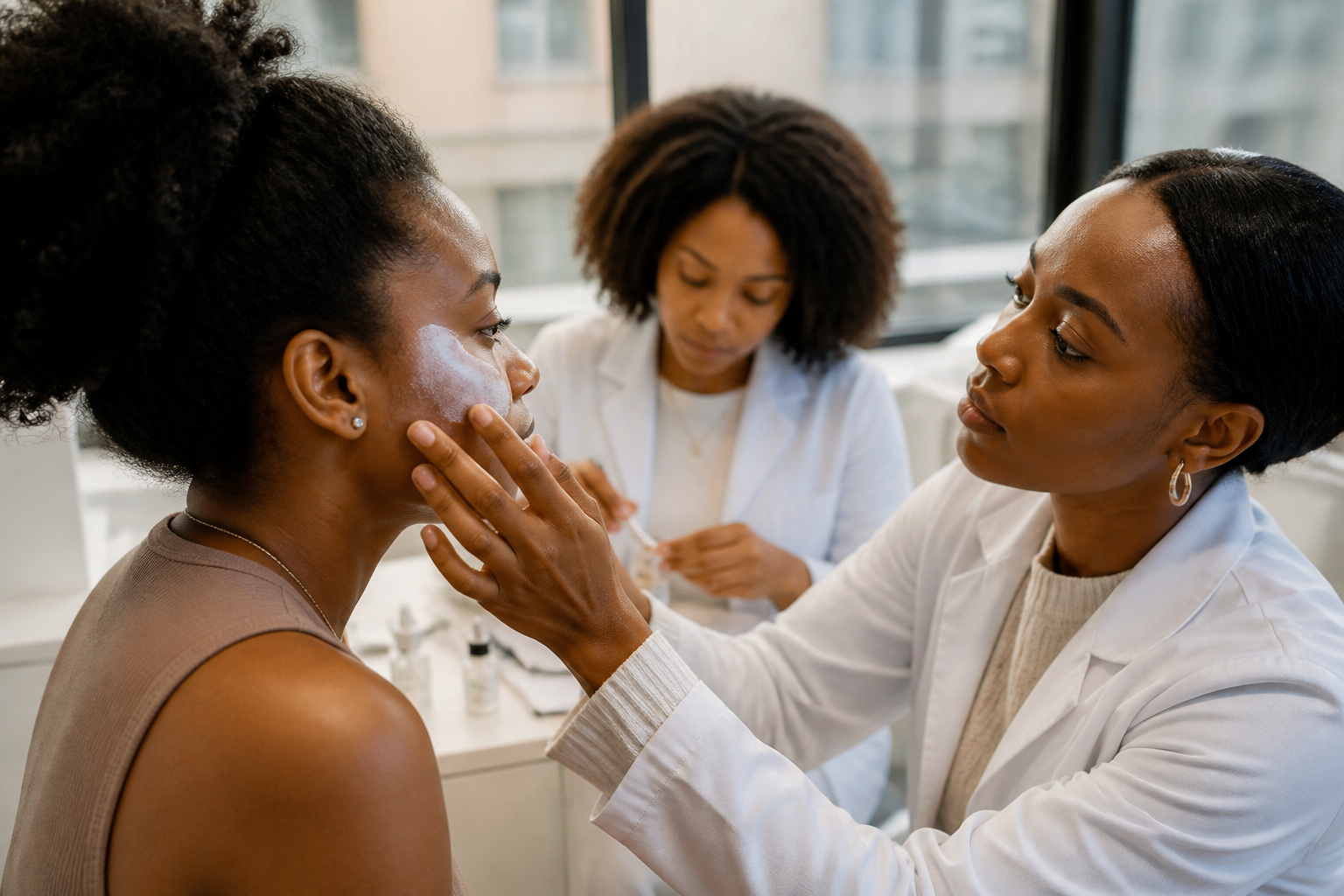
A cornerstone of expanding equity in clinical trials is increasing diversity among clinical investigators and medical research leaders. Patients are significantly more likely to participate in medical studies when the trial staff and principal investigators share their cultural background and demonstrate a genuine understanding of their lived experiences.
Historically Black Colleges and Universities (HBCUs) and their affiliated medical schools play an indispensable role in cultivating this workforce. Institutions such as Meharry Medical College, Howard University College of Medicine, Morehouse School of Medicine, and the Charles R. Drew University of Medicine and Science consistently produce Black physicians and biomedical researchers dedicated to community-centered care. Investing in research capacity at HBCUs creates a sustainable pipeline of trusted science leaders capable of bridging the gap between clinical research and Black communities, ultimately ensuring that global progress in medical innovation benefits every population equally.