Lung & Respiratory Health
Expanding Lung Cancer Biomarker Education to Drive Health Equity in Black Communities
Culturally tailored educational initiatives and increased healthcare workforce diversity are essential to closing the gap in lung cancer biomarker testing for Black communities.
Published September 22, 2026 · HealthHBCU Newsroom
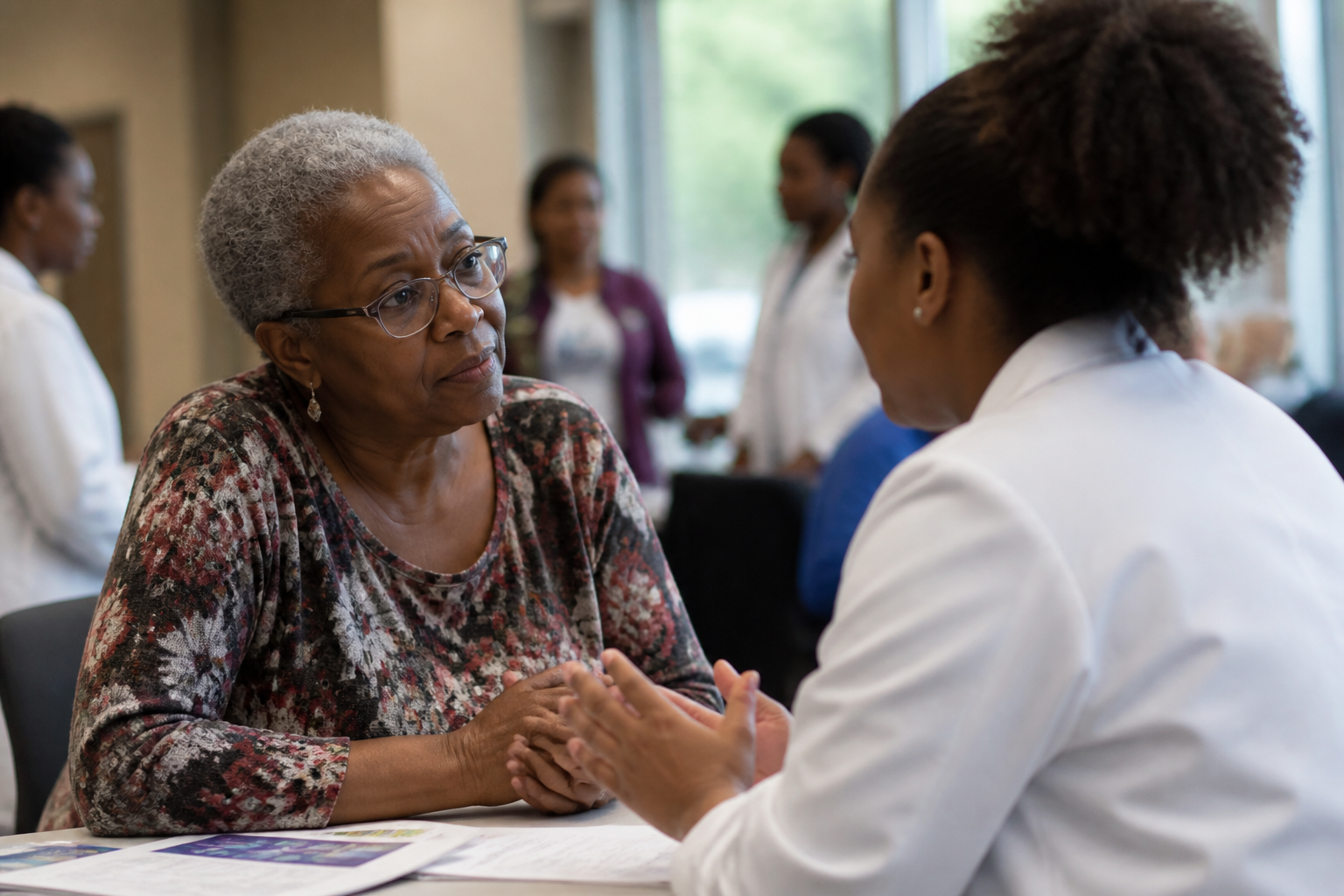
Lung cancer remains one of the most significant health challenges facing Black Americans, who often suffer worse outcomes and higher mortality rates despite lower overall smoking rates than their white counterparts. A critical component of modern lung cancer management is biomarker testing, a diagnostic process that identifies specific genetic mutations or proteins within a tumor. This information allows healthcare providers to tailor targeted therapies directly to the individual characteristics of a patient's cancer, frequently leading to more effective treatments with fewer side effects.
However, widespread disparities persist in access to and awareness of biomarker testing. Culturally tailored educational initiatives are increasingly recognized as essential tools to bridge this information gap, ensuring that Black patients and their families understand the role of precision medicine in modern oncology.
Understanding the Role of Biomarker Testing
Biomarker testing transforms how clinicians approach lung cancer treatment. By analyzing tissue or blood samples, oncologists can pinpoint molecular signatures—such as EGFR mutations or ALK rearrangements—that drive tumor growth. Patients whose cancers test positive for these specific markers can often bypass traditional chemotherapy in favor of targeted oral medications or immunotherapies.
Despite the proven benefits of precision oncology, historic and systemic inequities in healthcare delivery mean that Black patients are significantly less likely to be offered or undergo biomarker testing. Addressing this gap requires targeted educational outreach that clarifies what biomarker testing involves, demystifies the diagnostic process, and empowers patients to advocate for comprehensive testing during clinical consultations.
Empowering Patients Through Culturally Relevant Outreach
Educational efforts focused on Black communities must address unique concerns, including historic mistrust of medical research, communication barriers between patients and providers, and limited access to specialized cancer centers. Culturally responsive messaging delivered by trusted community figures and health professionals helps demystify complex medical terminology and highlights the direct personal benefits of genetic profiling.
When patients enter medical appointments equipped with knowledge about biomarker testing, they are better positioned to ask critical questions about their diagnostic workup. Informing individuals that targeted therapies exist—and that testing is the only gateway to accessing them—helps transform passive care recipients into active participants in their treatment planning.
Advancing Workforce Representation and Health Equity
Closing the gap in lung cancer outcomes requires a multi-pronged approach that extends beyond patient education to include structural changes in the healthcare workforce. Increasing Black representation among oncologists, oncology nurses, and clinical researchers is vital to building trust and ensuring that diverse perspectives shape cancer care delivery.
Historically Black Colleges and Universities play a foundational role in cultivating the next generation of Black healthcare professionals and scientific researchers. By fostering clinicians who understand both the clinical nuances of precision medicine and the social determinants affecting Black health, HBCUs continue to lead the charge toward equitable healthcare access and improved survival rates for lung cancer patients across the nation.