Cancer
Geographic Location Impacting Ovarian Cancer Survival Rates for Black Women
Recent research highlights how geographic location and neighborhood-level factors shape survival outcomes for Black women diagnosed with ovarian cancer.
Published September 22, 2026 · HealthHBCU Newsroom
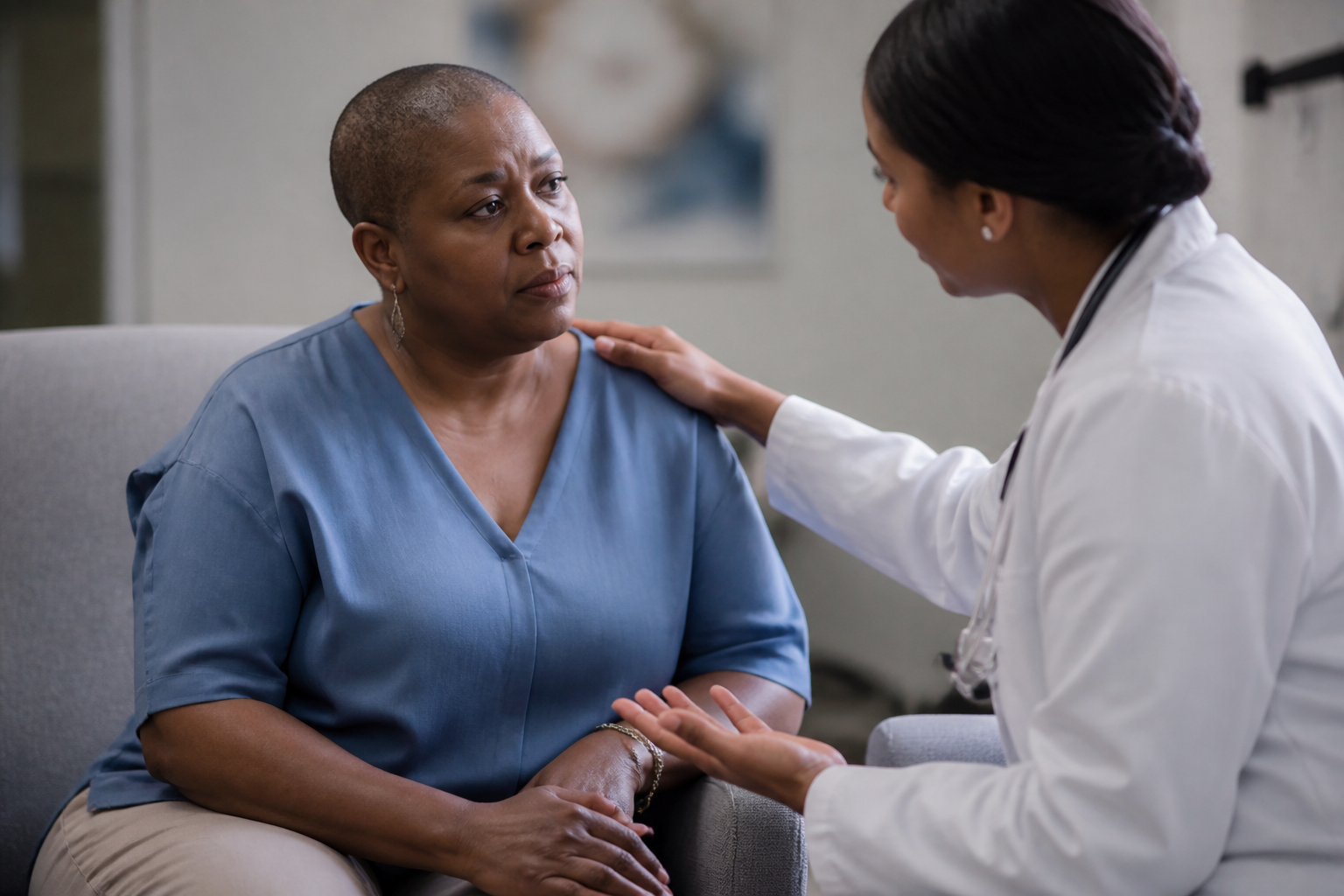
A woman's zip code can play a significant role in her health outcomes, and new findings suggest that geographic location may be particularly impactful for Black women diagnosed with ovarian cancer. Research examining survival patterns indicates that neighborhood-level factors, access to specialized care centers, and regional healthcare infrastructure heavily influence long-term prognosis for patients facing this disease.
Ovarian cancer remains one of the most lethal gynecologic cancers, primarily because it is frequently detected in advanced stages. While disparities in cancer outcomes have long been documented, examining how specific geographic areas shape these health trajectories offers critical insight into addressing systemic inequities that affect Black communities.
Structural Inequities and Access to Care
The correlation between location and survival highlights deeper structural challenges within the healthcare system. In many areas, access to high-volume medical centers staffed by gynecologic oncologists—specialists trained to deliver the gold standard of ovarian cancer treatment—is unevenly distributed. Black women living in medically underserved rural communities or economically disadvantaged urban neighborhoods often face longer travel distances and fewer local resources to secure timely, comprehensive care.
Furthermore, regional variations in healthcare funding, insurance coverage, and community-based support services contribute to distinct survival gaps. Neighborhood factors such as elevated environmental stressors, limited access to specialized health facilities, and persistent economic disenfranchisement directly shape a patient's capacity to navigate complex medical regimens and maintain follow-up care.
Bridging the Representation and Clinical Gap
Addressing geographic disparities requires a multifaceted approach focused on workforce development and equitable resource distribution. Historically Black Colleges and Universities (HBCUs) and their affiliated medical institutions play a vital role in training culturally competent physicians and researchers who understand how social determinants of health impact patient care.
Expanding the pipeline of Black medical professionals ensures that specialized gynecologic oncology care is delivered with an acute awareness of the community's unique challenges. By increasing representation among healthcare providers and advocating for targeted clinical trial recruitment in diverse geographic regions, public health leaders can begin dismantling the barriers that currently limit survival outcomes for Black women facing ovarian cancer.