HBCU Medicine
Morehouse School of Medicine Expands Community Outreach With Mobile Healthcare Fleet
Morehouse School of Medicine is seeking operational staff to support its mobile health units, expanding direct clinical care and preventative services in underserved communities.
Published September 29, 2026 · HealthHBCU Newsroom
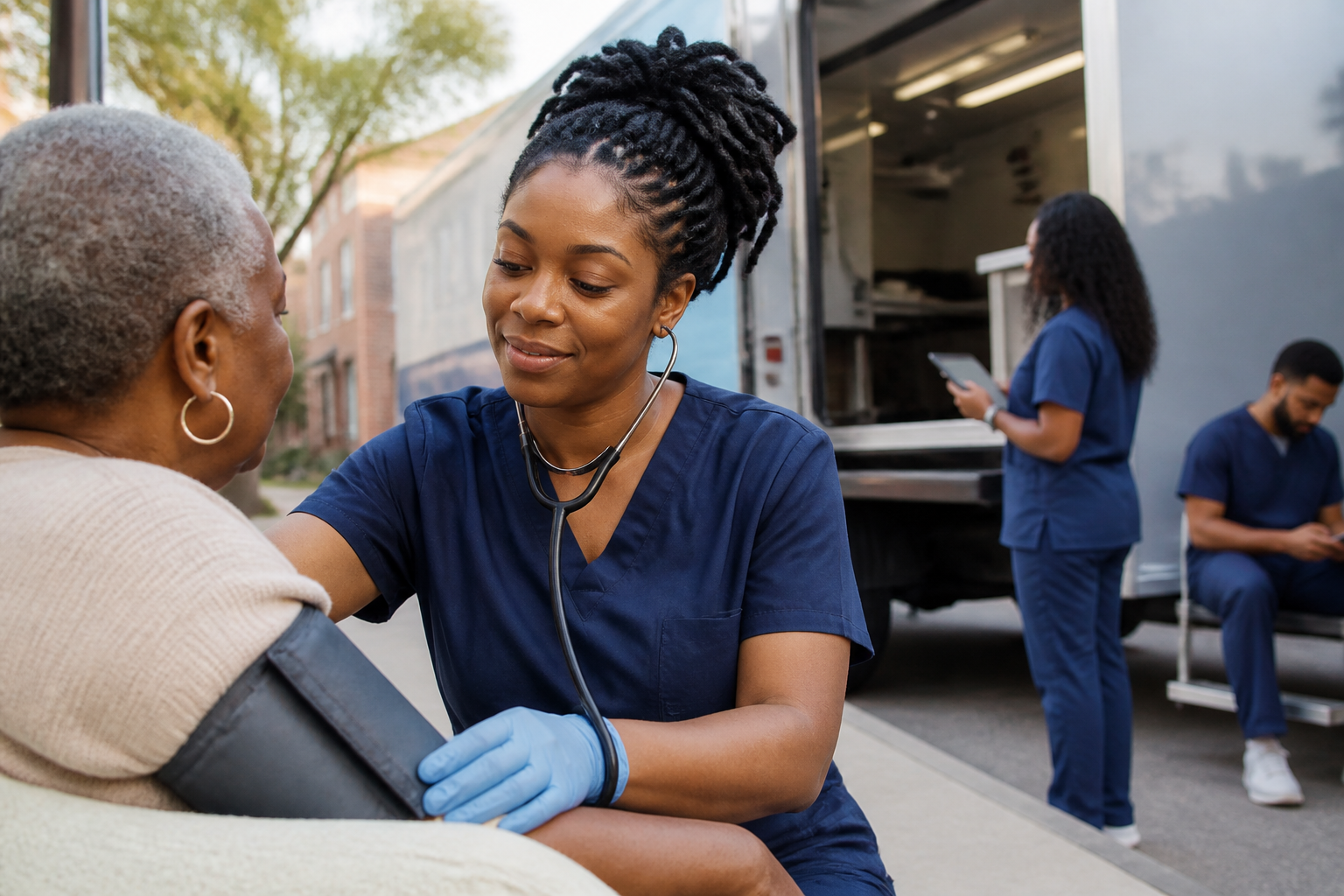
Morehouse School of Medicine is actively expanding its community-based outreach initiatives, recruiting dedicated staff to support mobile healthcare delivery across Georgia. As part of this effort, the institution is seeking a Mobile Unit Driver to operate specialized clinical vehicles designed to bring essential medical services directly into underserved neighborhoods.
The initiative highlights how Historically Black Colleges and Universities continue to pioneer grassroots strategies that address long-standing health disparities in minority communities.
Bringing Care Directly to Communities
Mobile health units serve as a vital link between academic medical centers and neighborhoods that face systemic barriers to traditional healthcare access. By navigating directly into areas with limited transportation or medical infrastructure, these units deliver preventative care, health screenings, and routine clinical services to populations that might otherwise delay treatment.
The driver role is central to maintaining this bridge. Beyond operating the physical vehicle, the position ensures that mobile clinical teams can safely reach community centers, places of worship, local schools, and public gatherings where residents gather.
The HBCU Commitment to Community Wellness
HBCU medical institutions like Morehouse School of Medicine have long recognized that clinical care must extend beyond hospital walls. Black Americans routinely face disproportionate rates of chronic conditions such as hypertension, diabetes, and cardiovascular disease, often exacerbated by geographic and economic barriers to primary care providers.
By deploying mobile clinics staffed by culturally competent healthcare professionals and supported by dedicated operational staff, MSM works to meet patients where they are. This approach helps build trust, encourages early detection of preventable illnesses, and promotes ongoing wellness within Black communities.
Strengthening the Local Health Infrastructure
Operational roles within mobile health programs reflect the broad range of talents required to maintain effective public health outreach. As HBCUs expand their clinical footprints, the need for skilled non-clinical personnel grows alongside the demand for physicians, nurses, and researchers.
Through continued investments in mobile healthcare infrastructure, Morehouse School of Medicine reinforces its foundational mission to improve community health, advance health equity, and train the next generation of leaders dedicated to serving vulnerable populations.