Sickle Cell
MUSC Blood Drive Underscores Urgent Need for Diverse Donors to Fight Sickle Cell Disease
A community blood drive at the Medical University of South Carolina emphasizes the crucial need for diverse donors to support life-saving treatments for Black patients living with sickle cell disease.
Published October 5, 2026 · HealthHBCU Newsroom
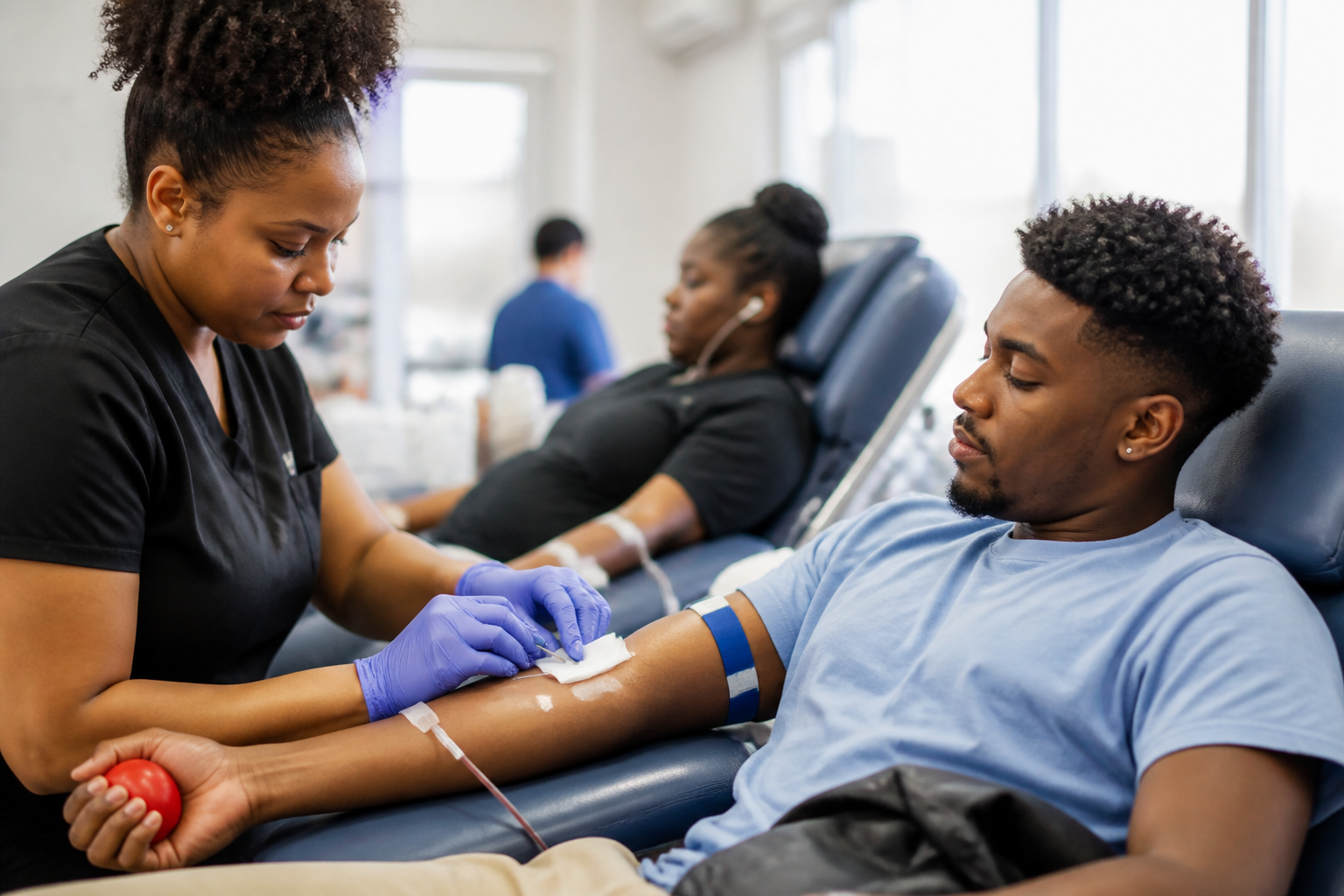
In recognition of Sickle Cell Awareness Month, a recent blood drive hosted by the Medical University of South Carolina (MUSC) highlighted an urgent, ongoing public health priority: the critical necessity for blood donations to support patients living with sickle cell disease. The event served as a stark reminder of the continuous life-saving care required for those managing this inherited blood disorder, which disproportionately impacts Black Americans.
Sickle cell disease causes red blood cells to deform into a crescent or sickle shape, leading to severe pain episodes, frequent infections, organ damage, and stroke. For many living with the condition, regular blood transfusions are essential to prevent severe complications, restore healthy oxygen flow, and improve overall quality of life. However, maintaining an adequate and closely matched blood supply remains a persistent challenge for healthcare systems.
The Vital Importance of Diverse Donors
While blood transfusions are a foundational treatment, matching patient and donor blood involves complex antigens beyond the standard A, B, and O types. Patients who receive frequent transfusions require blood that closely mirrors their own genetic background to reduce the risk of dangerous immune reactions. Because sickle cell disease primarily affects Black and African American populations, blood donated by Black individuals is often the safest and most effective match for these patients.
Despite this critical need, minority blood donation rates historically lag, creating acute shortages for specialized transfusions. Community drives, such as the initiative at MUSC, aim to bridge this gap by raising awareness and encouraging a steady stream of diverse donors to step forward consistently, rather than only during critical regional shortages.
Driving Change Through Representation and Advocacy
Addressing systemic health disparities requires both community engagement and a diverse healthcare workforce capable of advocating for marginalized patient populations. Historically Black Colleges and Universities (HBCUs) play a pivotal role in this ecosystem, training a significant portion of the nation’s Black doctors, nurses, and biomedical researchers. These professionals are uniquely positioned to build trust within Black communities, dispel myths surrounding blood donation, and champion clinical advancements in sickle cell treatment.
As Sickle Cell Awareness Month underscores the ongoing struggles faced by individuals with the disease, medical institutions and educational leaders emphasize that blood donation is a direct, tangible way to support community health. Sustained efforts to increase donor diversity and foster culturally competent medical leadership remain essential steps toward equitable care for everyone living with sickle cell disease.