Campus News
HBCU Student Recovering from ACL Injury Detained by Immigration Authorities
An international HBCU student recovering from a severe knee injury faces heightened physical and emotional health risks following immigration detention.
Published October 5, 2026 · HealthHBCU Newsroom
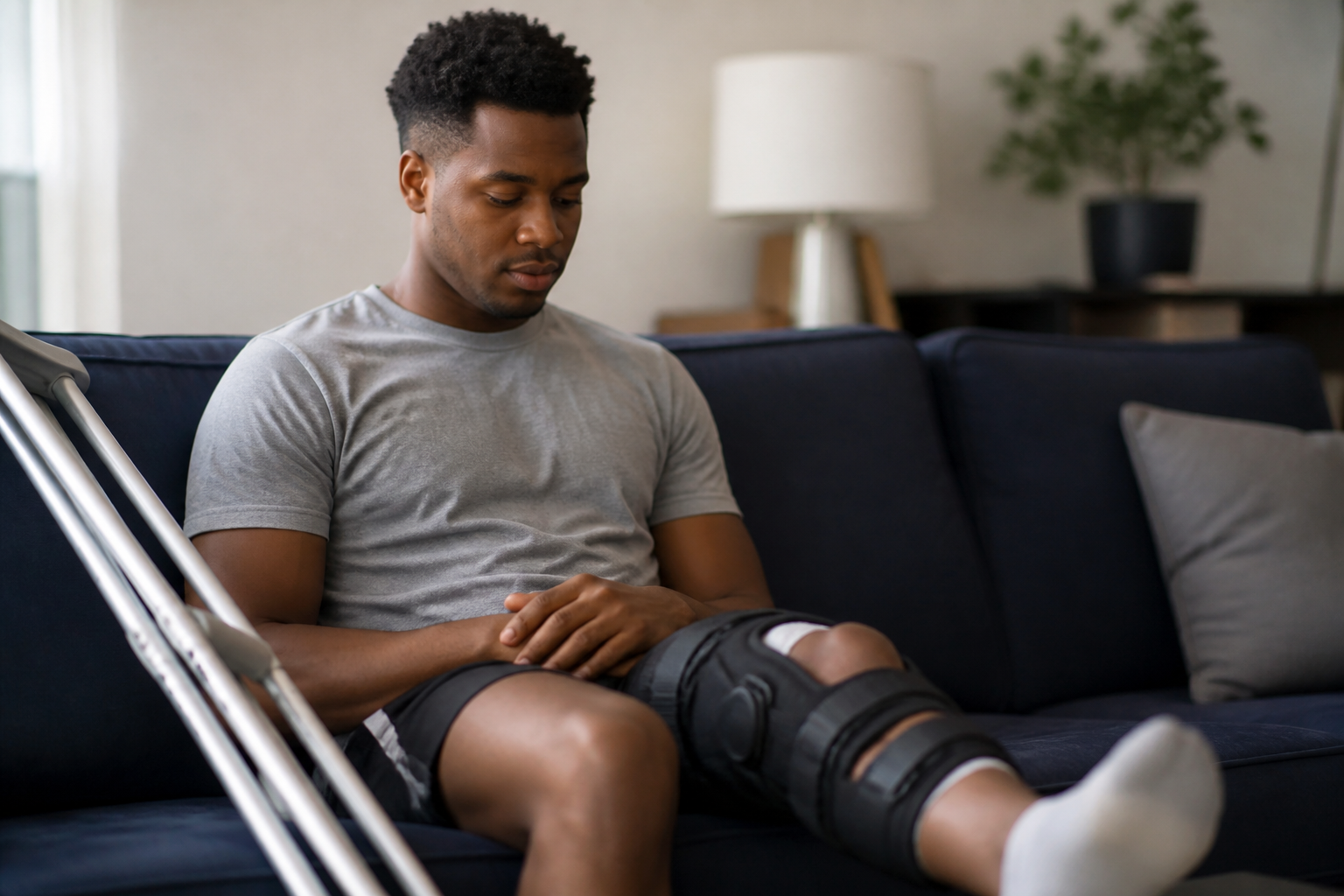
An international student attending a Historically Black University was detained by federal immigration authorities while recovering from a serious knee injury, bringing renewed attention to the unique physical, emotional, and institutional challenges facing HBCU scholars.
The student, who was actively managing a torn anterior cruciate ligament (ACL) at the time of detention, faces a complex recovery process while in custody. ACL tears are severe orthopedic injuries that typically require surgical intervention followed by months of structured physical therapy, pain management, and medical monitoring to restore stability and long-term mobility.
Health Risks of Interrupted Orthopedic Care
For any student-athlete or active scholar, an ACL injury represents a major physical health setback. Without consistent medical oversight and access to specialized physical rehabilitation, individuals recovering from severe ligament damage risk long-term joint instability, chronic pain, and early-onset osteoarthritis.
In detention settings, access to specialized orthopedic care, physical therapy equipment, and regular medical follow-ups can be severely limited. Extended delays in appropriate treatment or rehabilitation can lead to permanent mobility issues, compromising a young person's long-term physical well-being and future athletic or professional pursuits.
The Mental Health Toll on HBCU Scholars
Beyond the physical impact of an unaddressed orthopedic injury, the psychological burden of sudden immigration detention creates acute stress and trauma. HBCUs historically provide a supportive, culturally affirming environment designed to foster academic success and holistic well-being. Removing a student from this supportive campus community—especially while they are physically vulnerable and coping with a major injury—compounds the stress placed on their mental health.
Studies show that systemic stressors, unexpected legal distress, and isolation from community support networks significantly increase the risk of anxiety, depression, and post-traumatic stress among Black and international students. Maintaining holistic health support, including access to mental health resources and physical recovery care, remains essential for preserving student well-being during legal and administrative crises.
Protecting Student Well-Being Across Campus Communities
This situation underscores the critical role that university health services, student advocates, and community leaders play in supporting scholars during vulnerable moments. HBCU campus health centers and legal support networks often serve as vital lifelines for students navigating complex medical recoveries alongside financial, personal, or administrative hurdles.
As community members and university leaders advocate for the student's safety and proper medical care, the incident highlights the ongoing need for accessible healthcare, compassionate administrative policies, and robust support systems for all members of the HBCU community.