Campus News
How the Legacy of HBCU Culture Continues to Inspire the Next Generation of Black Healthcare Leaders
Media portrayals of HBCU life continue to inspire future leaders to pursue higher education, driving essential diversity in the healthcare workforce.
Published September 29, 2026 · HealthHBCU Newsroom
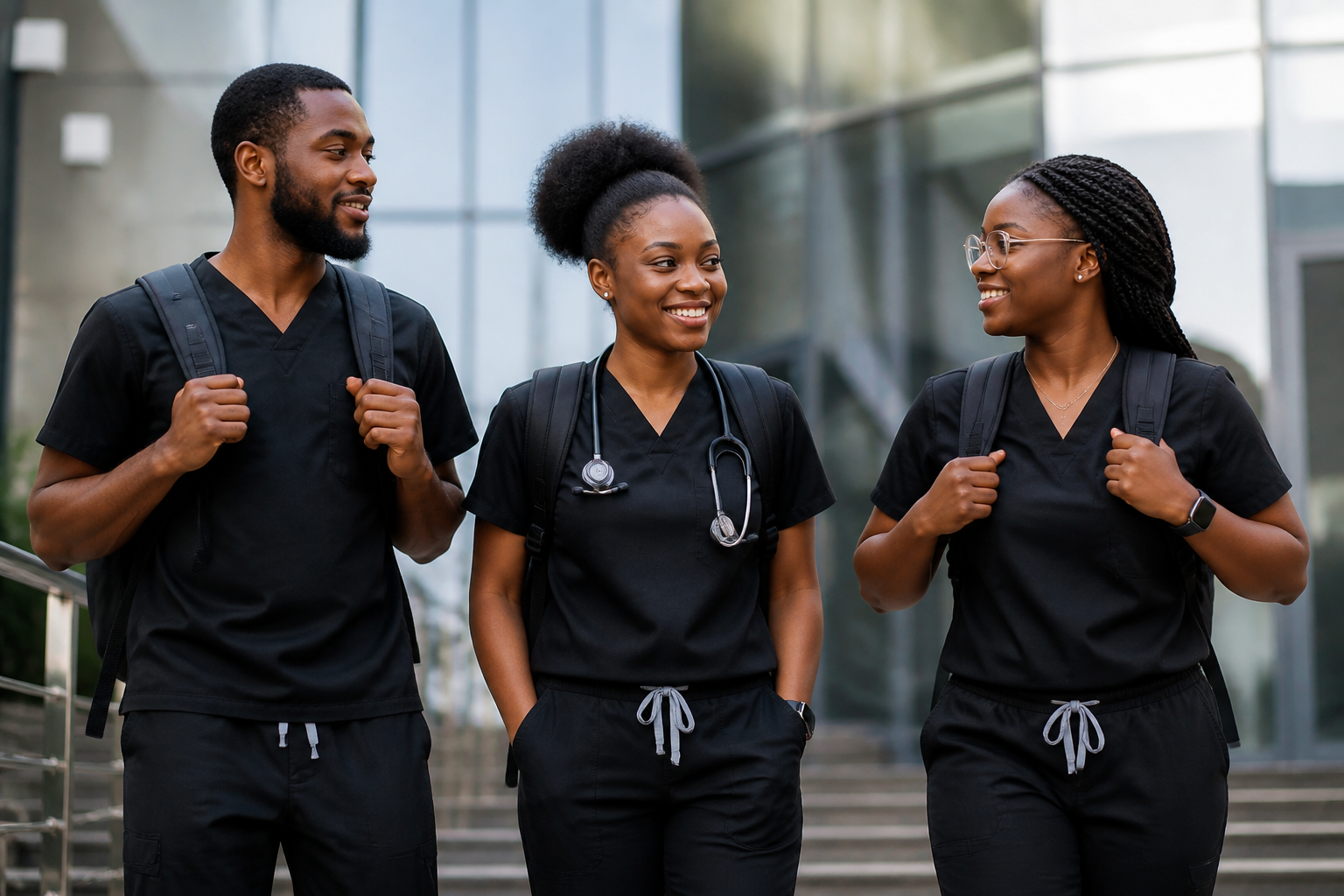
Pop culture has long served as a powerful gateway to the transformative experience of Historically Black Colleges and Universities. For decades, television shows like A Different World provided millions of viewers with their first glimpse into the rich academic traditions, vibrant culture, and sense of belonging found on HBCU campuses. Beyond celebrating campus life, these portrayals have played a crucial role in inspiring generations of students to pursue higher education, particularly in critical fields like medicine, nursing, and public health.
As the nation faces ongoing disparities in healthcare outcomes and a persistent underrepresentation of Black professionals in clinical care, the cultural legacy of HBCUs remains as vital as ever. Inspiring the next generation to step onto these campuses is not just a matter of preserving tradition—it is a public health necessity.
Cultivating the Healthcare Pipeline
Historically Black institutions produce a disproportionate share of the nation's Black doctors, dentists, scientists, and health researchers. Despite representing a small percentage of all U.S. higher education institutions, HBCUs consistently lead the way in preparing Black undergraduate students who go on to earn medical degrees and doctoral credentials in the sciences.
The supportive environment depicted in iconic media reflects a real-world ecosystem designed to nurture academic excellence and resilience. On HBCU campuses, students find mentors who look like them, faculty dedicated to their success, and peer networks that sustain them through rigorous pre-medical and science curricula. This unique cultural foundation empowers graduates to enter the healthcare workforce with both technical expertise and a deep commitment to serving underserved populations.
Bridging Representation and Health Equity
The connection between HBCU enrollment and community well-being is direct. Research consistently demonstrates that patients often experience better health outcomes, improved communication, and higher levels of trust when cared for by providers who share their cultural background. In Black communities, which disproportionately experience chronic conditions such as hypertension, diabetes, and maternal health complications, culturally competent care can be life-saving.
By inspiring young people to attend HBCUs, cultural touchstones indirectly fuel the pipeline of compassionate healthcare leaders. When students see Black academic achievement normalized on screen, it expands their vision of what is possible for their own futures, encouraging them to pursue careers that directly address systemic health disparities.
Inspiring Future Generations
Ensuring that future generations continue to choose HBCUs requires sustained investment, visibility, and storytelling. As current alumni and advocates look to pass the torch, highlighting the profound impact of an HBCU education remains essential.
From the historic lecture halls of medical schools to the research laboratories driving breakthroughs in health equity, HBCUs continue to demonstrate that their mission is as relevant today as it was decades ago. Inspiring young people to join these storied institutions helps secure a healthier, more equitable future for Black communities nationwide.