Sickle Cell
Only 3% of US Sickle Cell Patients Receive Red Blood Cell Exchange, Study Finds
A critical blood exchange procedure reaches a tiny fraction of Americans with sickle cell disease, exposing deep structural inequities in specialized hematology care.
Published September 29, 2026 · HealthHBCU Newsroom
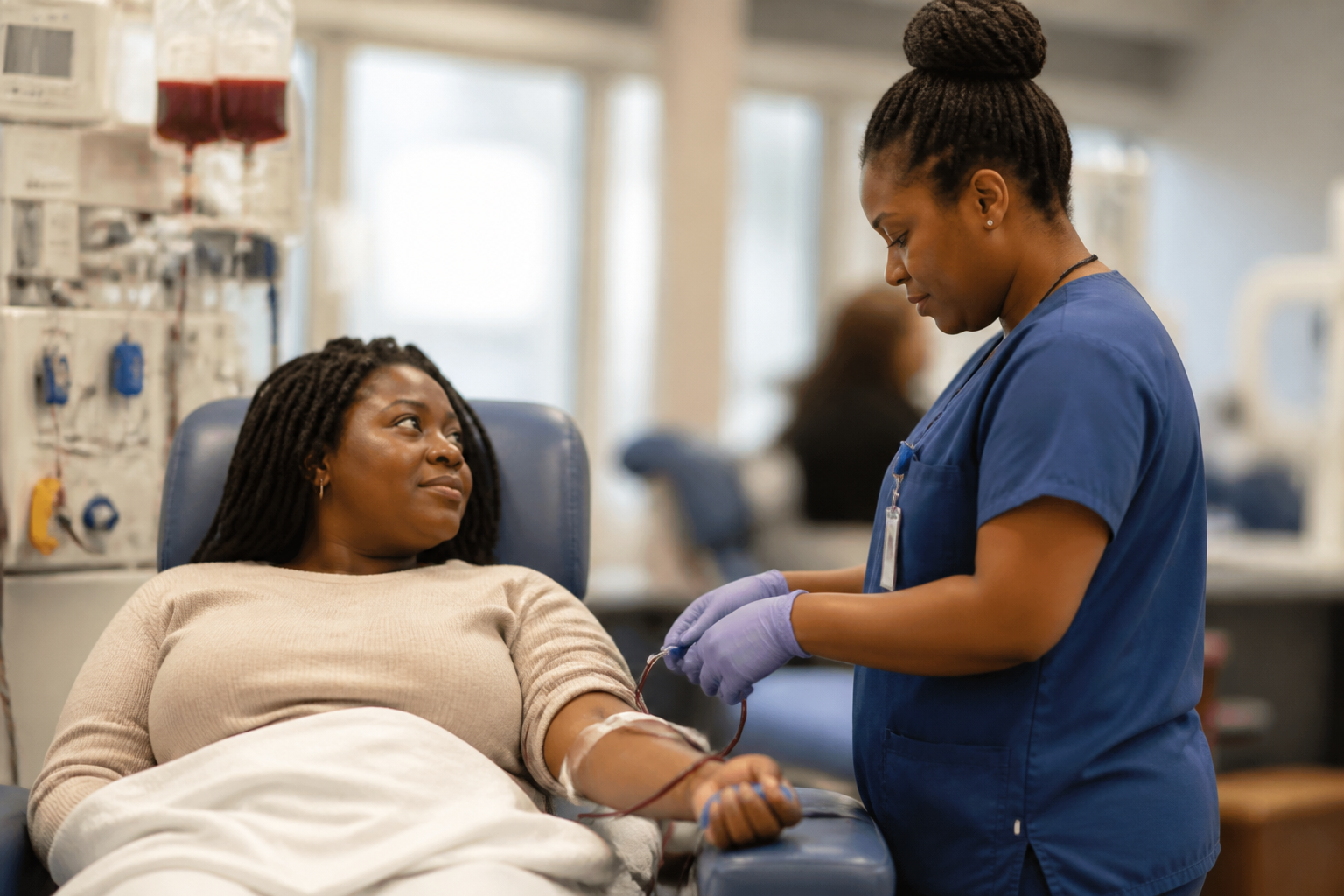
A critical therapeutic procedure known as automated red blood cell exchange remains dramatically underutilized across the United States, reaching just 3 percent of people living with sickle cell disease. Findings from a recent study highlight a persistent gap between established clinical benefits and real-world delivery of care for a hereditary blood disorder that disproportionately impacts Black Americans.
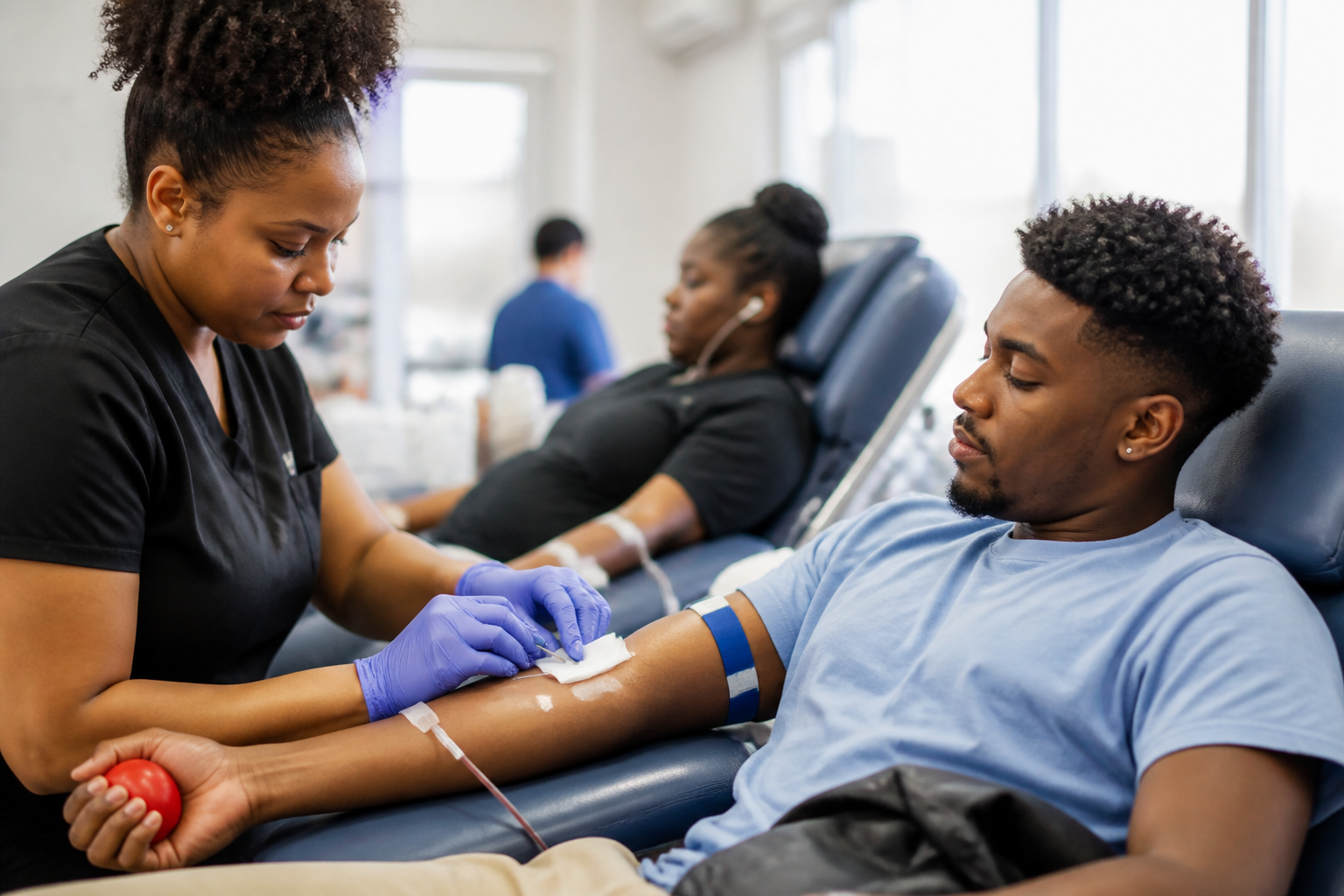
Red blood cell exchange works by removing damaged, crescent-shaped red blood cells and replacing them with healthy donor cells using specialized apheresis equipment. Compared to traditional simple blood transfusions, this automated process efficiently reduces the concentration of abnormal hemoglobin without increasing blood volume or causing severe iron overload. Clinical evidence shows that routine exchange transfusions can drastically lower the risk of recurrent strokes, acute chest syndrome, and organ damage in pediatric and adult patients alike.
Systemic Barriers to Specialized Treatment
Despite clear clinical guidelines endorsing red blood cell exchange, researchers discovered that access is severely constrained by structural healthcare disparities. The procedure requires specialized equipment, trained technical staff, and dedicated apheresis units—resources that are often concentrated in major academic medical centers rather than community hospitals where many patients seek care.
Additionally, financial and logistical hurdles continue to limit availability. Insurance reimbursement rates frequently fail to cover the high operational costs of maintaining apheresis facilities. For Black families who already face economic inequities and systemic bias within the healthcare system, finding a nearby medical facility capable of performing regular exchanges presents an exhausting burden.
The Role of HBCUs in Transforming Care
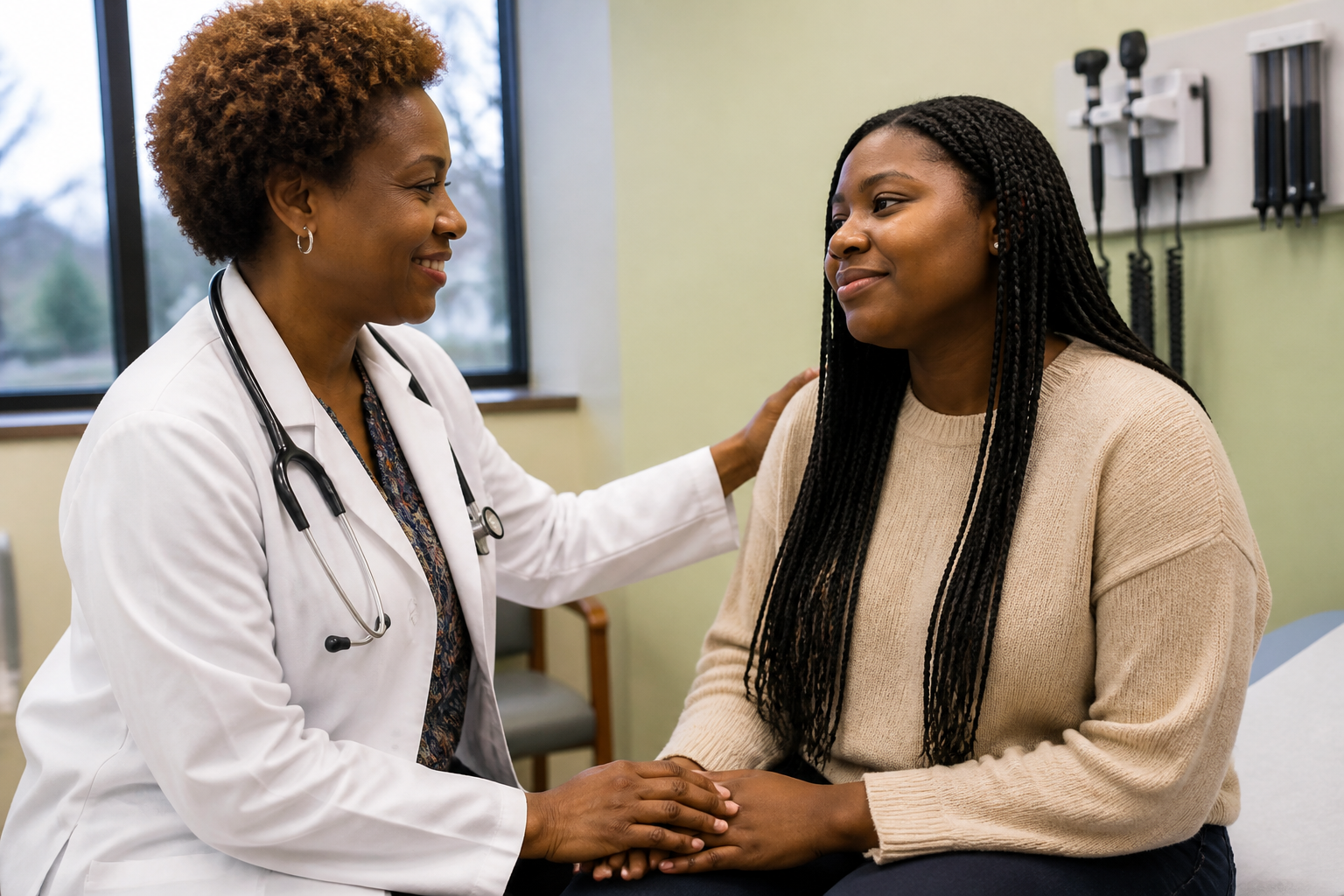
Bridging this gap requires both institutional investment and a diverse healthcare workforce committed to equitable treatment protocols. Historically Black Colleges and Universities and their affiliated medical institutions, such as Howard University College of Medicine and Meharry Medical College, have long spearheaded research, advocacy, and direct clinical interventions for sickle cell disease.
Expanding access to advanced therapies like red blood cell exchange relies heavily on training more Black hematologists, nurses, and clinical specialists through HBCU pipelines. By placing culturally competent providers at the forefront of blood banking and specialized hematology, the medical community can better dismantle systemic barriers, ensure adequate blood donation matches within diverse populations, and deliver lifesaving therapies to every patient who needs them.