Sickle Cell
Understanding the Deep Impact of Sickle Cell Disease on Black Families
Addressing the regional impact of sickle cell disease requires expanding specialized care and strengthening the pipeline of Black medical professionals.
Published September 29, 2026 · HealthHBCU Newsroom

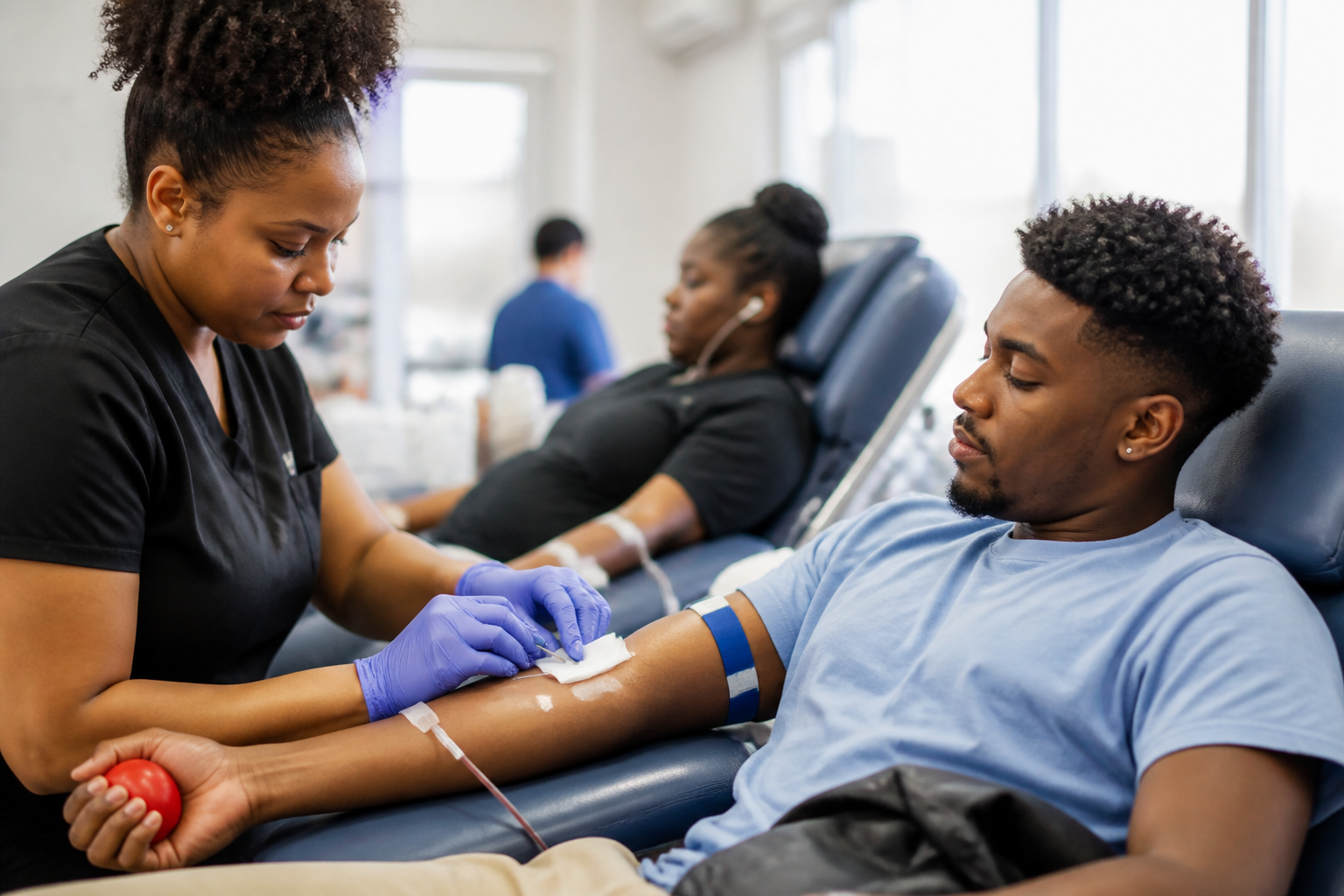
Sickle cell disease remains a critical public health concern that disproportionately impacts Black families across the United States, including those in Kentucky. The inherited blood disorder alters the shape of red blood cells, causing them to break down prematurely and obstruct blood flow through small vessels. This structural change can lead to severe pain episodes, organ damage, stroke, and an array of long-term health complications that require lifelong medical management.
Understanding the incidence and burden of sickle cell disease in specific regions highlights the ongoing necessity for targeted clinical resources, equitable healthcare access, and specialized medical education. Because the condition overwhelmingly affects individuals of African descent, addressing the systemic gaps in care requires both localized community interventions and a broader expansion of knowledgeable care providers.
Addressing Regional Disparities in Specialty Care
For families living with sickle cell disease in states like Kentucky, accessing consistent, high-quality care often presents significant hurdles. Comprehensive management of the condition demands multidisciplinary care teams, including hematologists, pain management specialists, and mental health professionals who understand the physical and emotional toll of chronic illness.
When local healthcare infrastructure lacks specialized sickle cell centers, patients frequently face delayed treatments and frequent emergency room visits. Improving health outcomes in Black communities depends heavily on expanding comprehensive care networks, ensuring that patients receive preventative care, routine screenings, and timely pain intervention near their homes.
The Role of Black Physicians in Sickle Cell Advocacy
Closing the gap in sickle cell care requires expanding the pipeline of Black medical professionals who are uniquely equipped to advocate for underserved patient populations. Historically Black Colleges and Universities produce a significant share of the nation’s Black physicians and health researchers. These institutions play a pivotal role in training culturally competent clinicians who are driven to address conditions that predominantly affect Black families.
Increasing Black representation in medicine helps dismantle historical distrust within the healthcare system, improves patient-provider communication, and drives research dedicated to equitable treatments. By equipping future doctors with specialized knowledge in genetic blood disorders, HBCU medical programs remain central to advancing health equity and improving the quality of life for families navigating sickle cell disease across the country.