Maternal Health
'In Her Honor' Elevates Stories of Black Maternal Mortality to Drive Healthcare Change
A Detroit narrative project honors the lives of Black mothers lost to pregnancy complications while pressing for systemic reform in maternal healthcare.
Published September 22, 2026 · HealthHBCU Newsroom
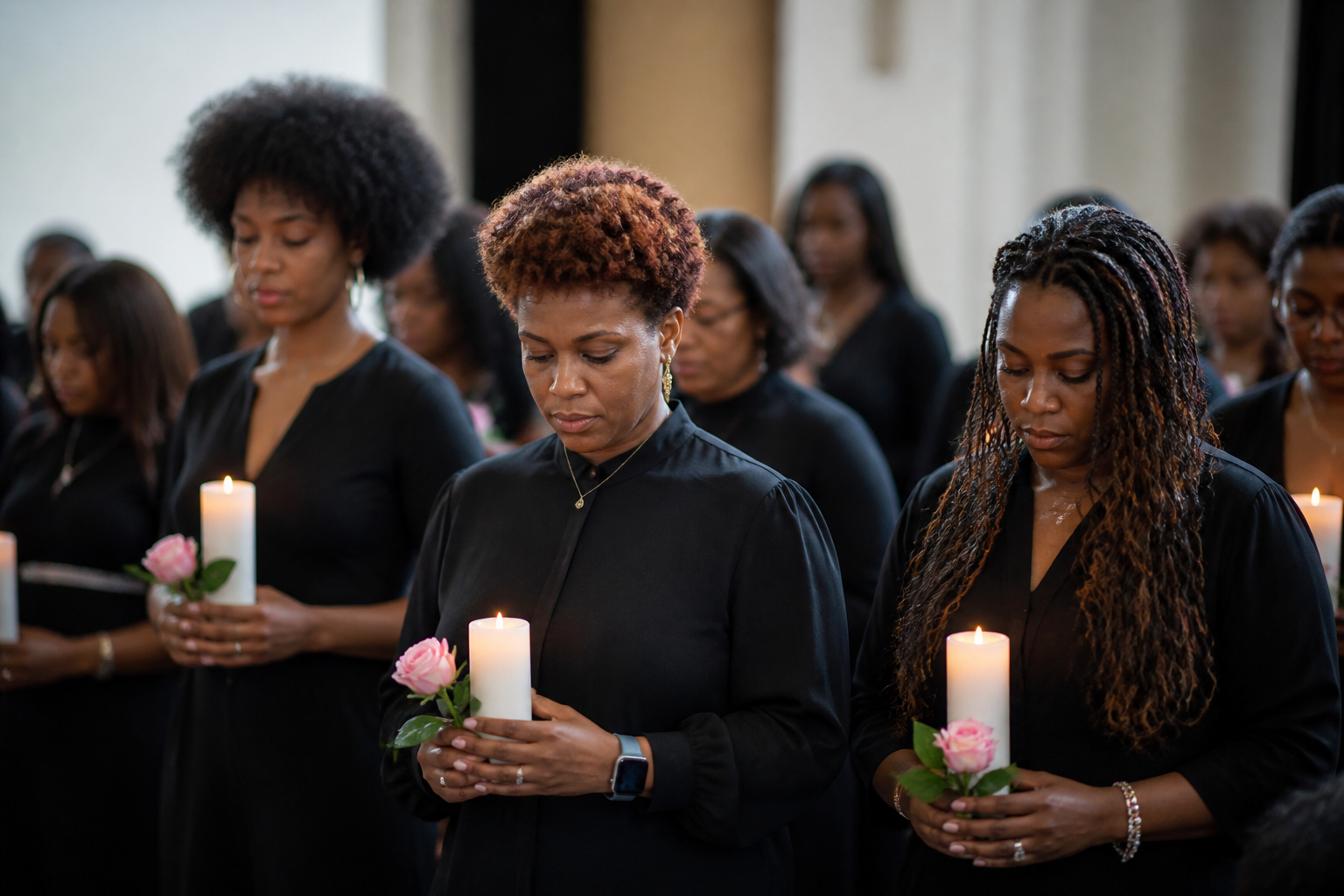
In Detroit, a powerful cultural movement is addressing one of the most pressing crises in American healthcare: the disproportionate loss of Black mothers during pregnancy, childbirth, and the postpartum period. Through artistic expression and storytelling, community leaders and advocates are elevating the memories of women lost to maternal mortality while demanding systemic changes in how healthcare systems care for Black women.
The initiative, titled "In Her Honor," creates a space where personal grief is transformed into public advocacy. By bringing the human stories behind the statistics into sharp focus, the project highlights the severe disparities that persist across the country, where Black women face significantly higher risks of maternal complications and death regardless of income or education level.
The Reality of the Black Maternal Health Crisis
Maternal health outcomes in the United States remain starkly unequal. Public health data consistently shows that Black women are three to four times more likely to die from pregnancy-related causes than their white peers. In urban centers like Detroit, local advocates emphasize that these tragic outcomes are often preventable through timely, respectful, and culturally responsive care.
Beyond the clinical factors, experts point to implicit bias, institutional racism, and communication barriers within hospital systems as major drivers of this crisis. When patients' concerns are dismissed or delayed interventions occur, the consequences can be fatal. Public initiatives like "In Her Honor" aim to dismantle these barriers by compelling health administrators, providers, and policymakers to confront the human toll of equity failures.
Transforming Outcomes Through Black Healthcare Leadership
Addressing the maternal mortality crisis requires a comprehensive approach that includes expanding the pipeline of Black medical professionals, midwives, and doulas. Research demonstrates that when Black patients receive care from providers who share their cultural background, communication improves, trust is strengthened, and clinical outcomes frequently rise.
This need underscores the critical role of Historically Black Colleges and Universities and Black-led medical institutions. By training a diverse, culturally competent health workforce, HBCUs help bridge the gap between vulnerable communities and quality care. Increasing the representation of Black physicians, nurses, and maternal health specialists remains one of the most effective strategies for ensuring that maternal health equity becomes a reality for families nationwide.