Maternal Health
'In Her Honor' Portrait Series Humanizes the Black Maternal Health Crisis
A new portraiture series uses visual art to humanize the Black maternal mortality crisis and spark dialogue on healthcare equity.
Published September 22, 2026 · HealthHBCU Newsroom

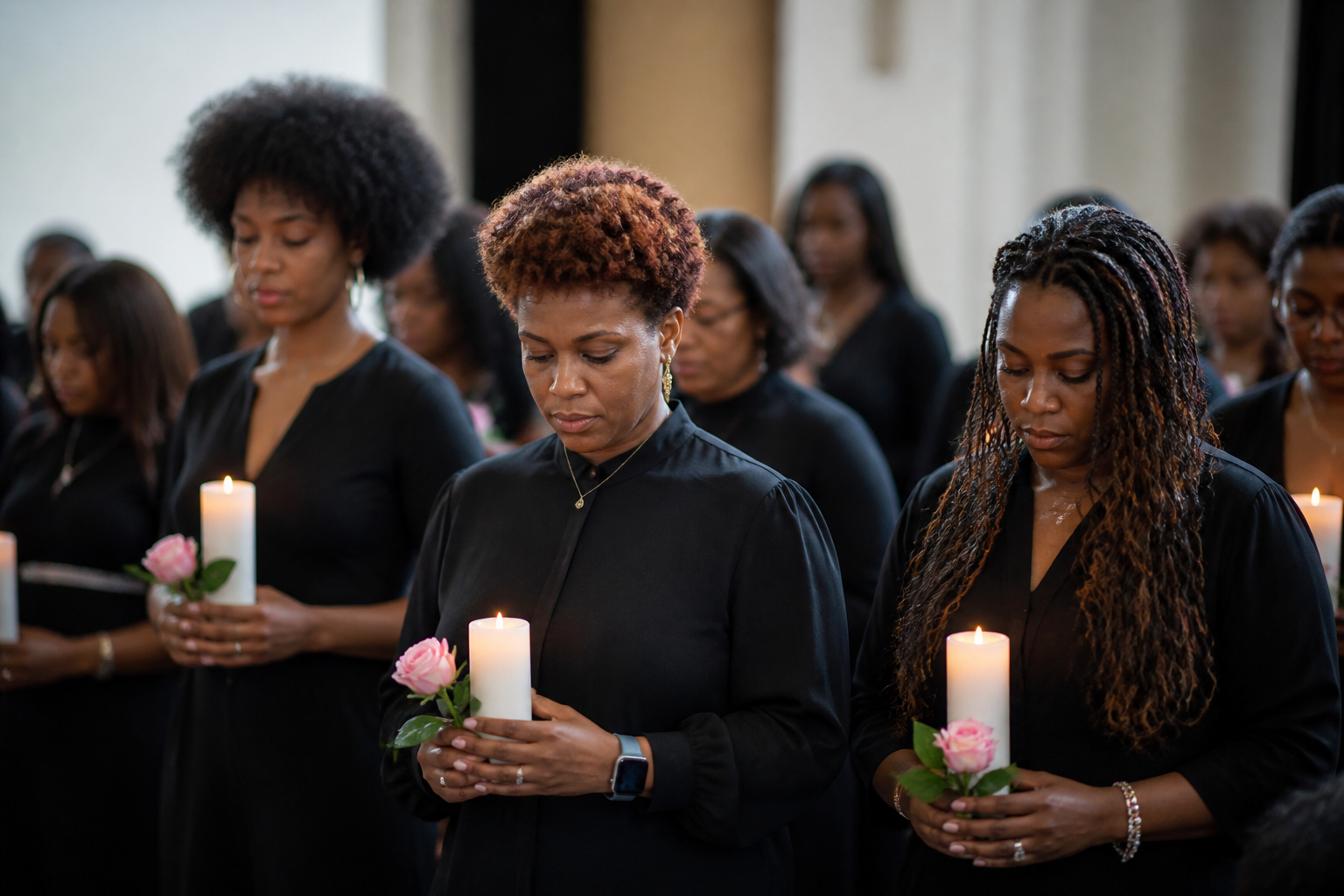
A new portraiture project is bringing a deeply human perspective to the ongoing national crisis surrounding Black maternal mortality. Titled "In Her Honor," the artistic series seeks to put faces to the stark statistics that surround the Black maternal health epidemic, shifting the public conversation from abstract numbers to personal stories of community and resilience.
By using visual arts to highlight these narratives, the initiative highlights the urgent need to address systemic failures in maternal healthcare. The project emphasizes that behind every metric is a human life, a family, and a community impacted by preventable healthcare disparities.
Visual Storytelling as Health Advocacy
Creative mediums like visual arts and portraiture are increasingly being recognized as powerful tools for public health advocacy. By capturing the dignity, strength, and vulnerability of Black mothers, the "In Her Honor" series creates an emotional entry point for audiences to engage with a complex medical crisis.
This approach complements traditional public health outreach by fostering empathy and driving political and community action. Creative storytelling helps demystify healthcare challenges and keeps the lived experiences of Black women at the forefront of policy discussions and institutional reform efforts.
Addressing Disparities and Building Workforce Capacity
The crisis in Black maternal health is driven by deeply rooted inequities in care, implicit bias within clinical settings, and unequal access to quality healthcare resources. Black women in the United States face significantly higher rates of pregnancy-related complications and mortality compared to their peers, regardless of income or education levels.
Overcoming these structural barriers requires a multi-pronged approach that includes reforming clinical environments and expanding the pipeline of culturally competent healthcare professionals. Historically Black Colleges and Universities play a critical role in this ecosystem, producing a significant share of the nation’s Black physicians, nurses, and maternal health advocates. By increasing representation in obstetric and gynecological care, HBCU-trained professionals are essential to dismantling bias and improving outcomes for Black mothers across the country.