Maternal Health
Tatyana Ali Championing Systemic Reform in Black and Indigenous Maternal Health
Actor and advocate Tatyana Ali is shining a spotlight on systemic reproductive inequities while promoting community-led birthing models for Black and Indigenous families.
Published September 22, 2026 · HealthHBCU Newsroom
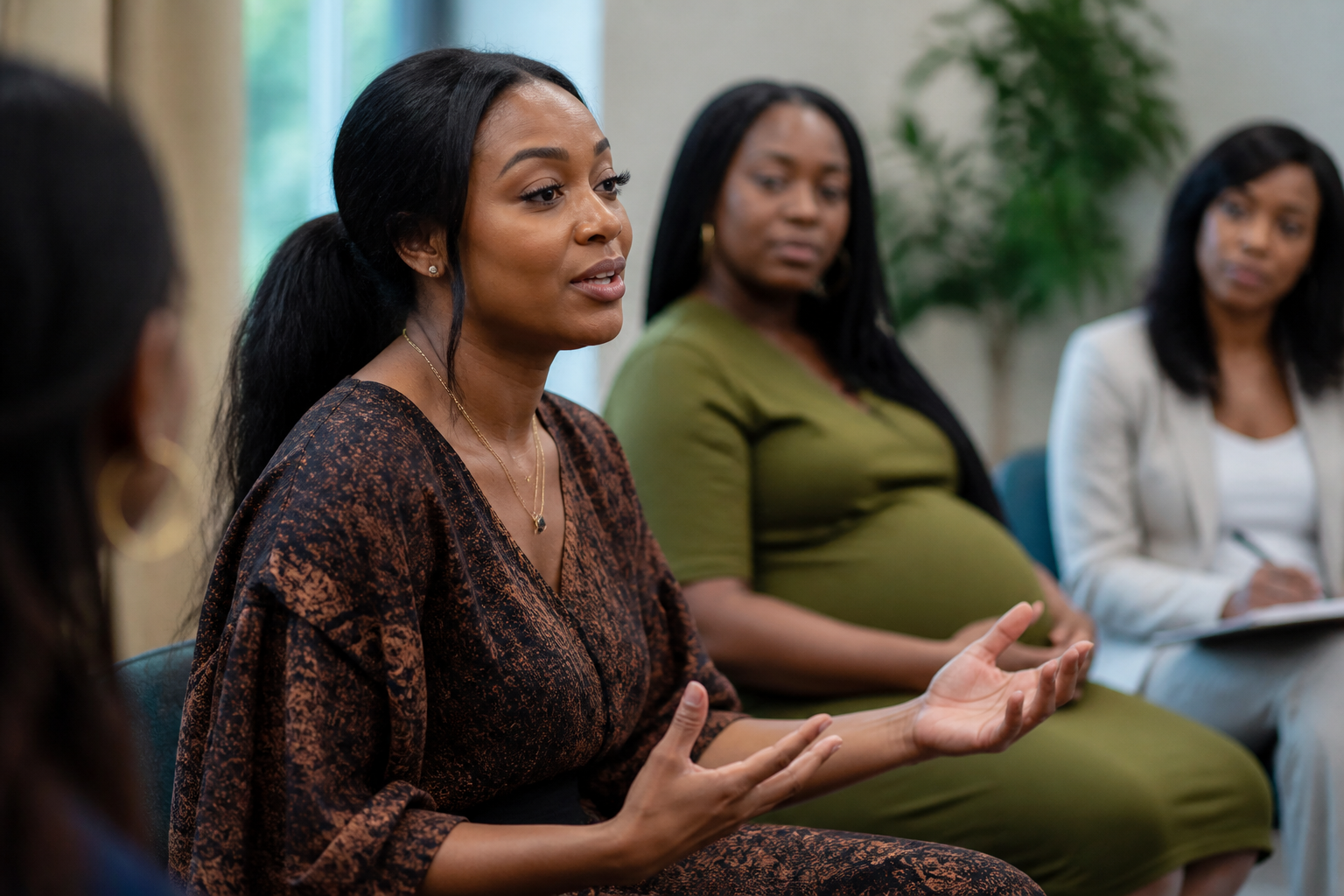
Actor and advocate Tatyana Ali is leveraging her public platform to draw urgent national attention to the deep disparities facing Black and Indigenous mothers. Known widely for her role on The Fresh Prince of Bel-Air, Ali has increasingly focused her public life on systemic reproductive inequities, emphasizing the vital role that culturally competent care and birthing justice play in saving lives.
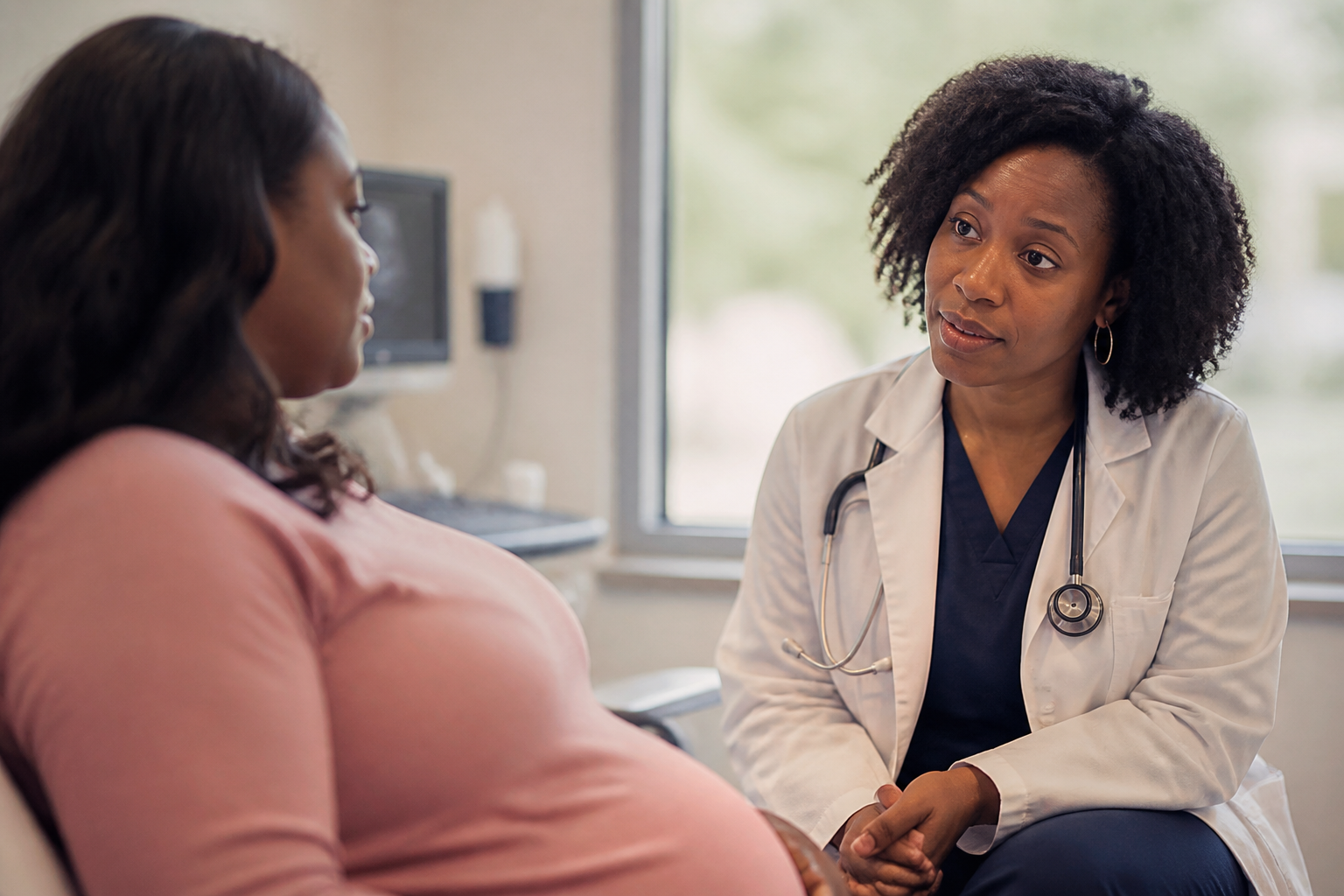
Her advocacy shines a light on an ongoing public health crisis. In the United States, Black women face maternal mortality rates that are nearly three times higher than those of white women. These stark disparities cut across income and education levels, pointing to structural racism and systemic implicit bias within healthcare systems as primary drivers of poor outcomes.
Amplifying Community-Centered Birthing Solutions
Central to Ali’s mission is the promotion of holistic and community-rooted birth models. She actively advocates for broader access to doulas, midwives, and community health workers, who provide continuous emotional, physical, and informational support during pregnancy, childbirth, and the postpartum period.
Research consistently demonstrates that perinatal support from midwives and doulas leads to lower rates of unnecessary medical interventions, reduced infant and maternal mortality, and higher patient satisfaction. By highlighting these proven models, Ali aims to shift the cultural conversation from one of crisis to one focused on empowerment, advocacy, and systemic transformation.
Cultivating the Next Generation of Black Healthcare Leaders
Achieving maternal health equity requires a healthcare workforce that understands and reflects the communities it serves. The maternal health crisis underscores the critical importance of Historically Black Colleges and Universities (HBCUs), which train a disproportionate share of the nation's Black physicians, nurses, and public health practitioners.
HBCU medical schools and health sciences programs remain essential to training providers who deliver empathetic, culturally attuned care. As advocates like Ali push for structural reform in maternal healthcare, expanding resources for HBCU-trained professionals ensures that Black and Indigenous birthing people receive the respectful, life-saving care they deserve.