HIV & Sexual Health
Athletic Preparation and Student Health: Fostering Wellness Beyond the Playing Field
As college athletic programs focus on long-term player preparation, institutions emphasize the crucial role of health literacy and preventative care for Black student-athletes.
Published September 22, 2026 · HealthHBCU Newsroom

Historically Black Colleges and Universities have long served as vital hubs for both athletic excellence and community wellness. As student-athletes prepare for upcoming competitive seasons, the intersection of physical preparation and holistic health remains a central focus for athletic departments and academic institutions alike. Recent comments regarding player development highlight the rigorous preparation required of collegiate athletes as they gear up for future competition.
Coaches and training staff are placing increased emphasis on long-term physical conditioning and mental readiness. For student-athletes navigating the demands of elite college sports, maintaining optimal health requires a comprehensive approach that extends far beyond the practice field. Athletic programs are increasingly integrating health education into their training regimens to support players throughout their collegiate careers.
Prioritizing Wellness and Health Literacy
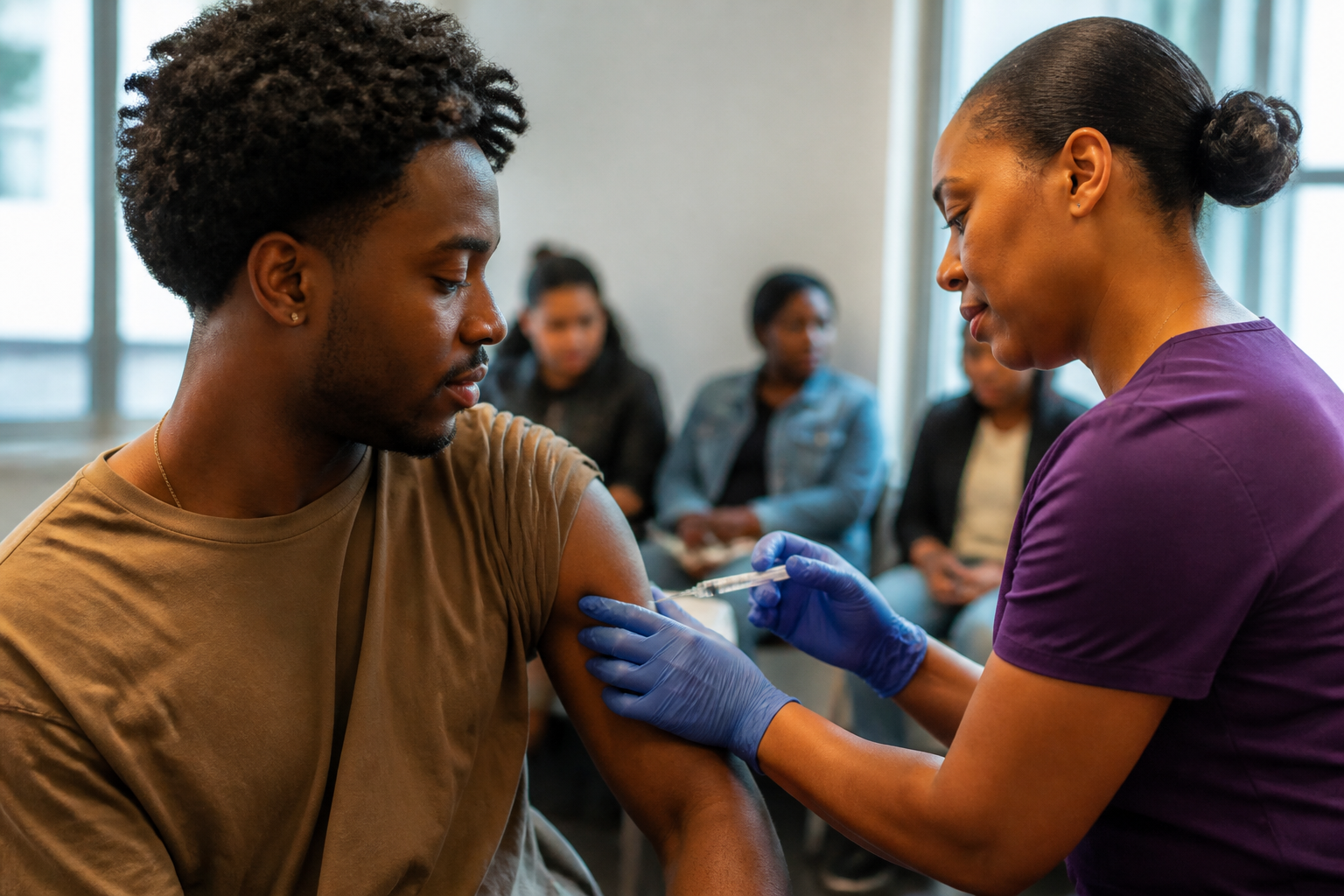
Beyond performance on the field, fostering health awareness among Black student-athletes is essential for addressing broader disparities in health outcomes. College campuses, particularly HBCUs, provide a unique environment to promote wellness habits that last a lifetime. Ensuring that young adults have access to comprehensive health information—including preventative care, sexual health education, and routine screenings—is critical to building healthier communities.
Initiatives focused on routine health monitoring and wellness education help empower students to make informed decisions about their physical well-being. By normalizing conversations around preventative care, athletic departments and campus health centers can equip student-athletes with the tools needed to manage their long-term health effectively.
The Role of Student Leaders in Health Equity
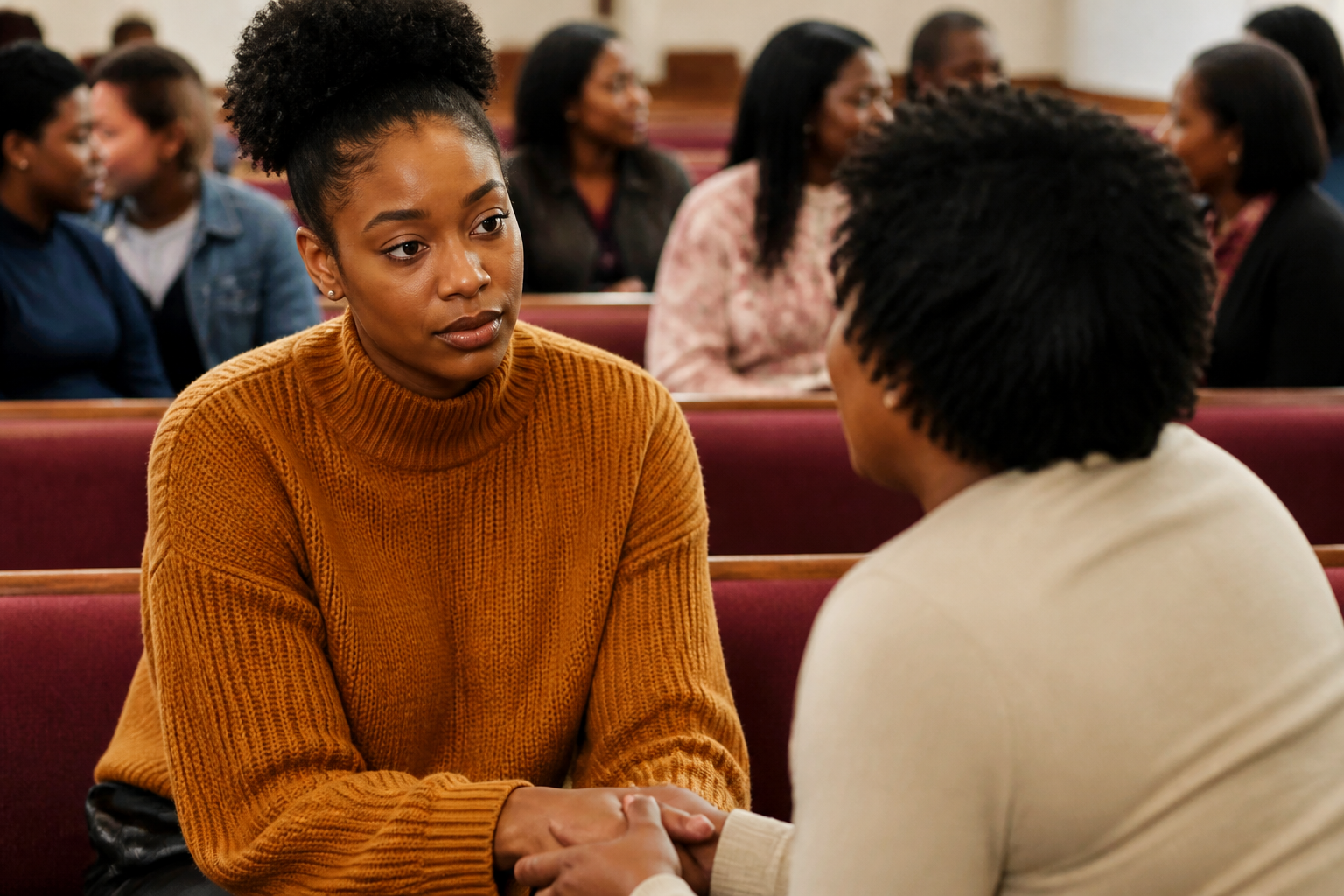
Student-athletes often hold significant influence on campus and within their broader communities. When athletic programs prioritize health literacy and proactive care, student leaders are positioned to advocate for equity and awareness among their peers. This leadership is particularly vital when addressing health conditions that disproportionately impact Black Americans, including cardiovascular disease, diabetes, and infectious diseases.
As preparation for future athletic seasons continues, the commitment to developing well-rounded, health-conscious leaders remains paramount. By combining athletic discipline with strong foundational health education, HBCU communities continue to drive progress toward greater health equity both on and off the field.