HIV & Sexual Health
Confronting Stigma: How the Black Church and HBCUs Can Lead the Fight Against HIV
Faith leaders and health advocates are urging faith institutions to dismantle historical stigmas around sexual health to help eliminate HIV disparities in Black communities.
Published September 22, 2026 · HealthHBCU Newsroom
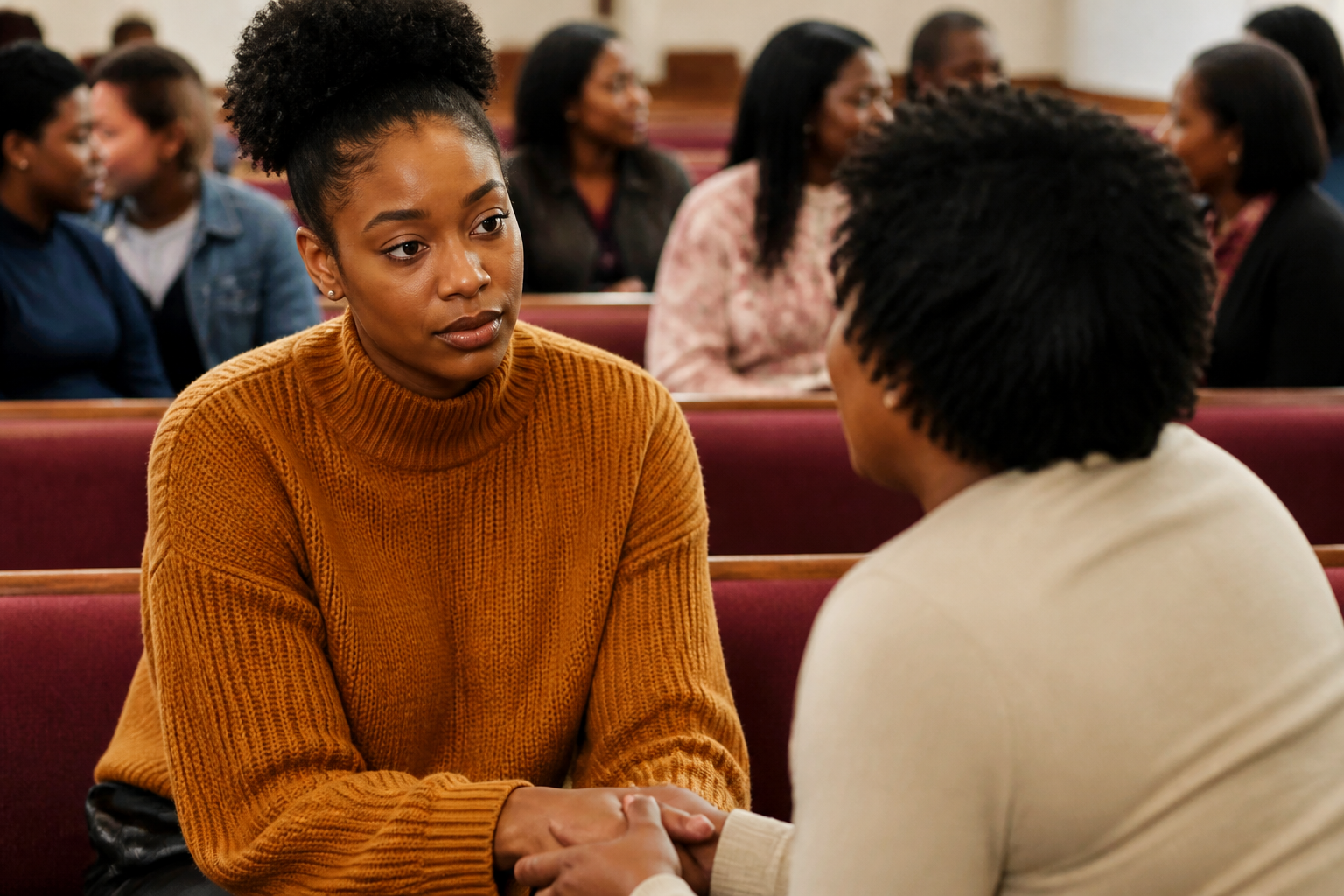
The Black Church has long served as a sanctuary, social anchor, and political engine for African American communities. From leading civil rights movements to establishing Historically Black Colleges and Universities (HBCUs), faith institutions have stood on the frontlines of public health, education, and social justice. However, addressing the ongoing HIV epidemic requires these vital institutions to directly confront historical stigmas surrounding sexuality, moral judgment, and public health education.
Despite significant medical advancements that make HIV manageable and preventable, Black Americans continue to be disproportionately impacted by the virus. Public health experts emphasize that ending the epidemic is impossible without the active, unreserved engagement of community leaders, particularly faith leaders who hold immense influence over public discourse and personal well-being.
Overcoming Stigma to Save Lives
For decades, silence and judgment within some faith communities created barriers to HIV education, testing, and care. Addressing sexual health from the pulpit has historically been met with reluctance, leaving many individuals isolated and hesitant to seek medical support or preventative treatments like PrEP.
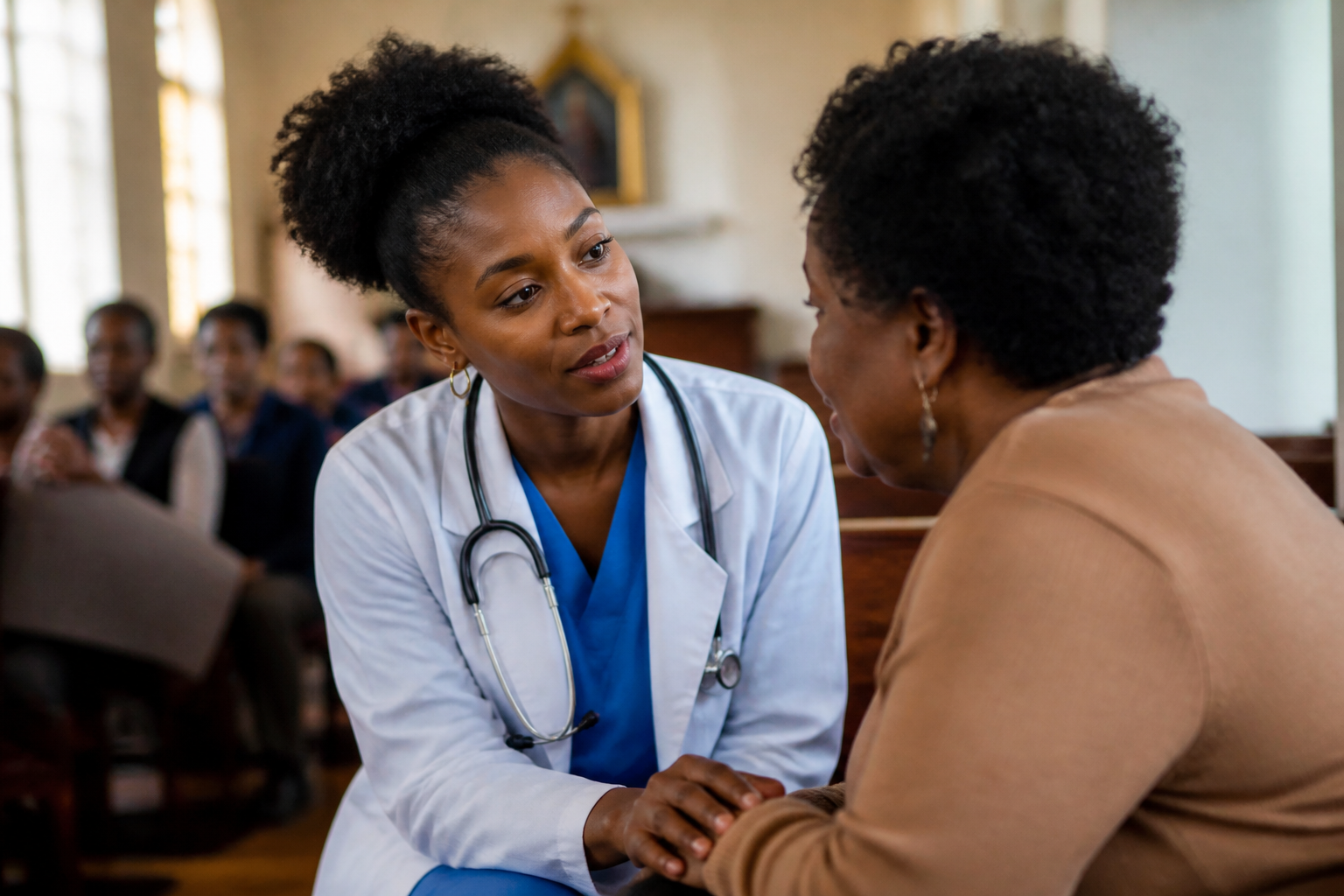
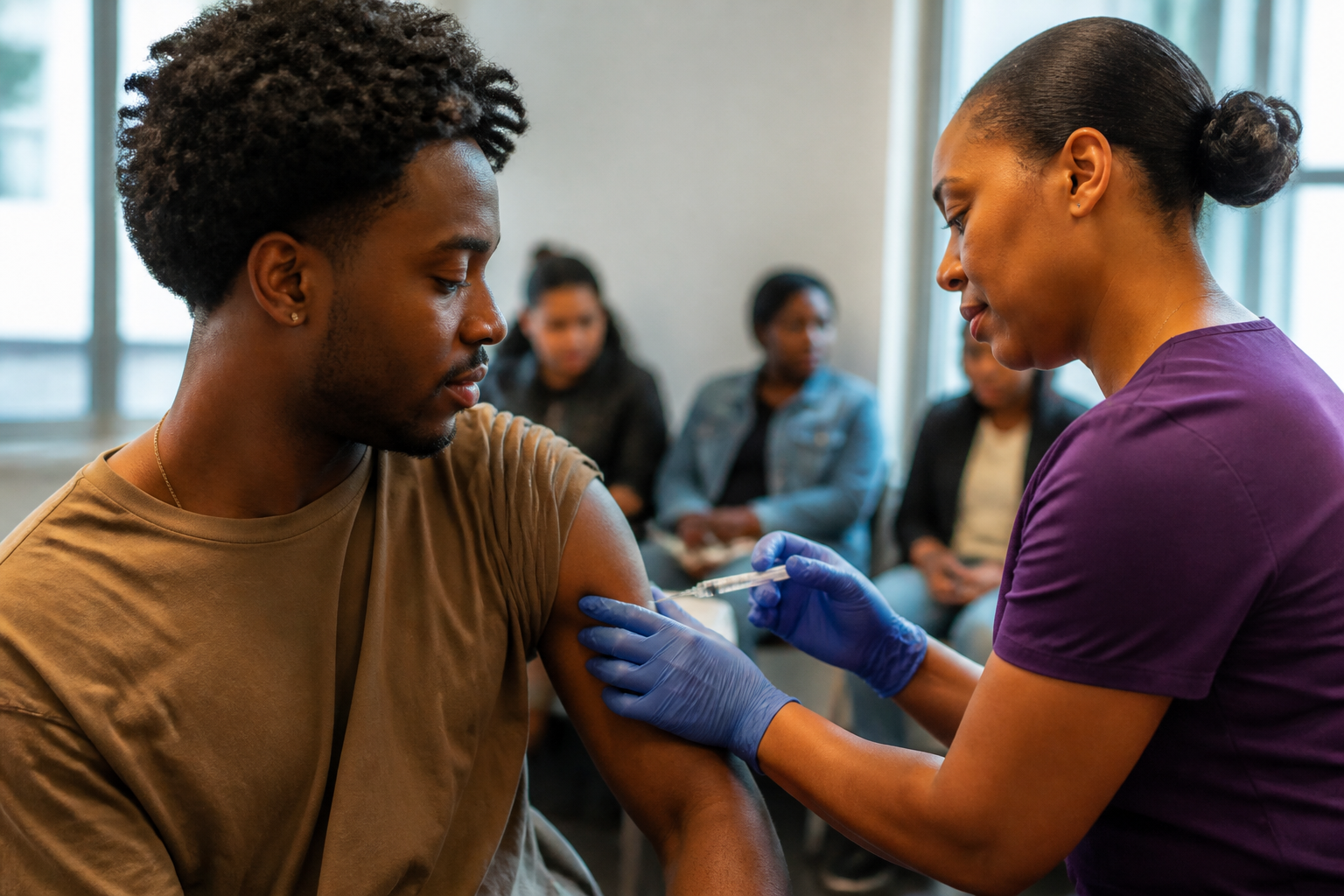
To turn the tide against HIV in Black communities, faith leaders are being called upon to foster environments of compassion, open dialogue, and evidence-based health advocacy. When churches embrace comprehensive sexual health education and host regular screening clinics, they normalize preventive care and help dismantle the shame that prevents individuals from accessing life-saving healthcare.
The Role of HBCUs and Community Leadership
HBCUs offer a powerful blueprint for how faith, culture, and science can collaborate to improve community health outcomes. Many HBCU nursing schools, public health departments, and medical centers actively partner with local places of worship to train community health advisors, conduct mobile testing, and distribute culturally competent educational materials.
By bridging the gap between clinical research and community leadership, HBCU-led initiatives demonstrate that health equity requires meeting people where they are. When faith institutions partner with Black health professionals and academic researchers, they help build a trusted network capable of delivering critical medical resources to vulnerable populations.
Moving Toward a Holistic Public Health Ministry
Transforming the fight against HIV requires viewing healthcare as an essential component of spiritual and community care. Faith leaders who integrate public health into their ministries demonstrate that protecting bodily health is fully aligned with moral and communal duty.
As the nation works toward ending the HIV epidemic, the Black Church remains an essential partner. By acknowledging past shortcomings, confronting stigma directly, and aligning with HBCU health leaders and medical advocates, faith institutions can help ensure equitable health outcomes and save lives across generations.