HIV & Sexual Health
Transforming the Response to HIV Through Faith, Stigma Reduction, and Public Health Leadership
Addressing systemic HIV disparities in Black communities requires faith institutions and health leaders to actively overcome historical stigma and expand culturally competent care.
Published September 22, 2026 · HealthHBCU Newsroom
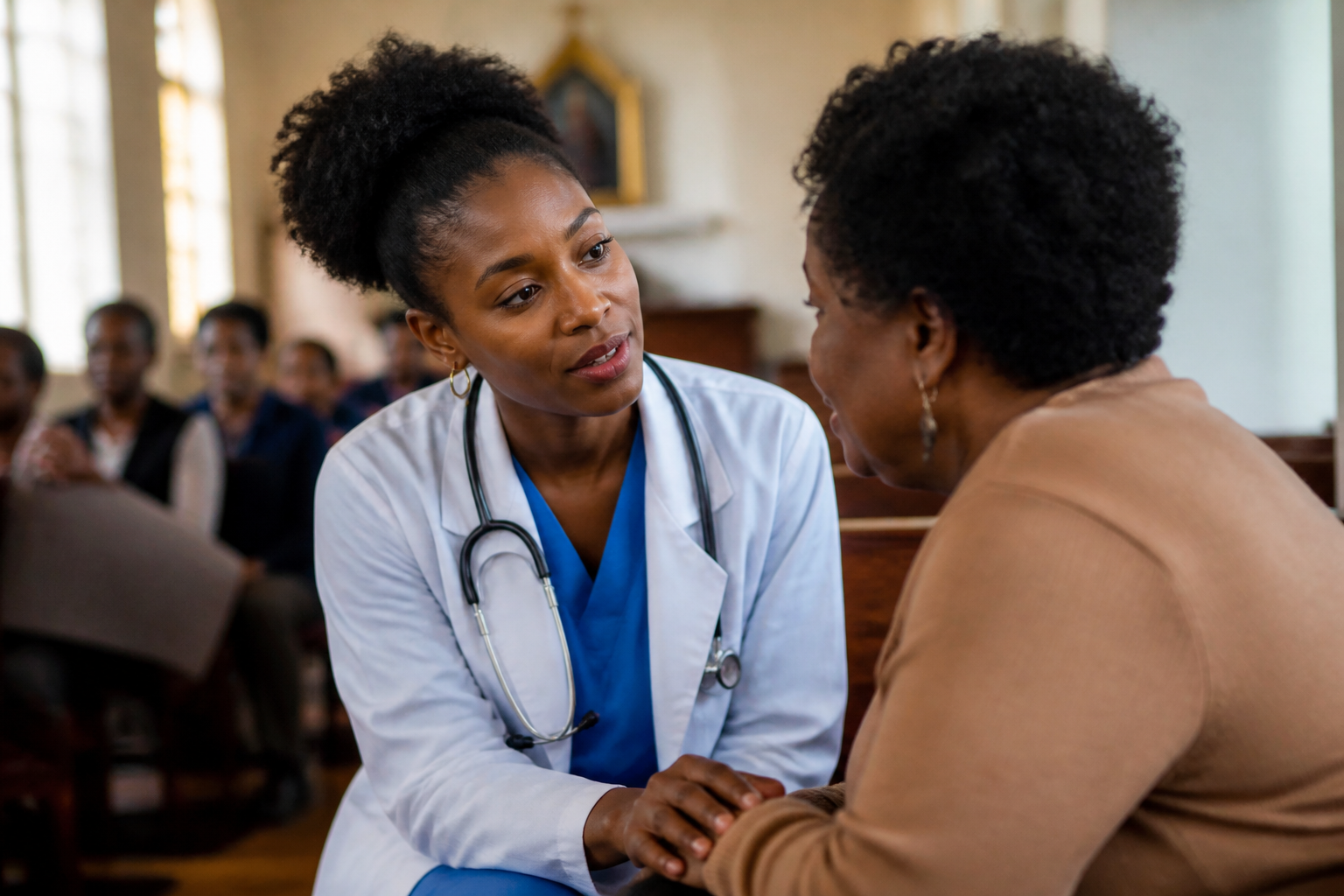
The historical relationship between the Black faith community and public health initiatives surrounding HIV/AIDS presents a complex landscape. For decades, religious institutions have served as the moral, social, and political backbone of Black communities across the nation. However, addressing the ongoing HIV crisis requires these foundational institutions to directly acknowledge and work through historical stigmas and silence that previously hindered effective prevention and support efforts.
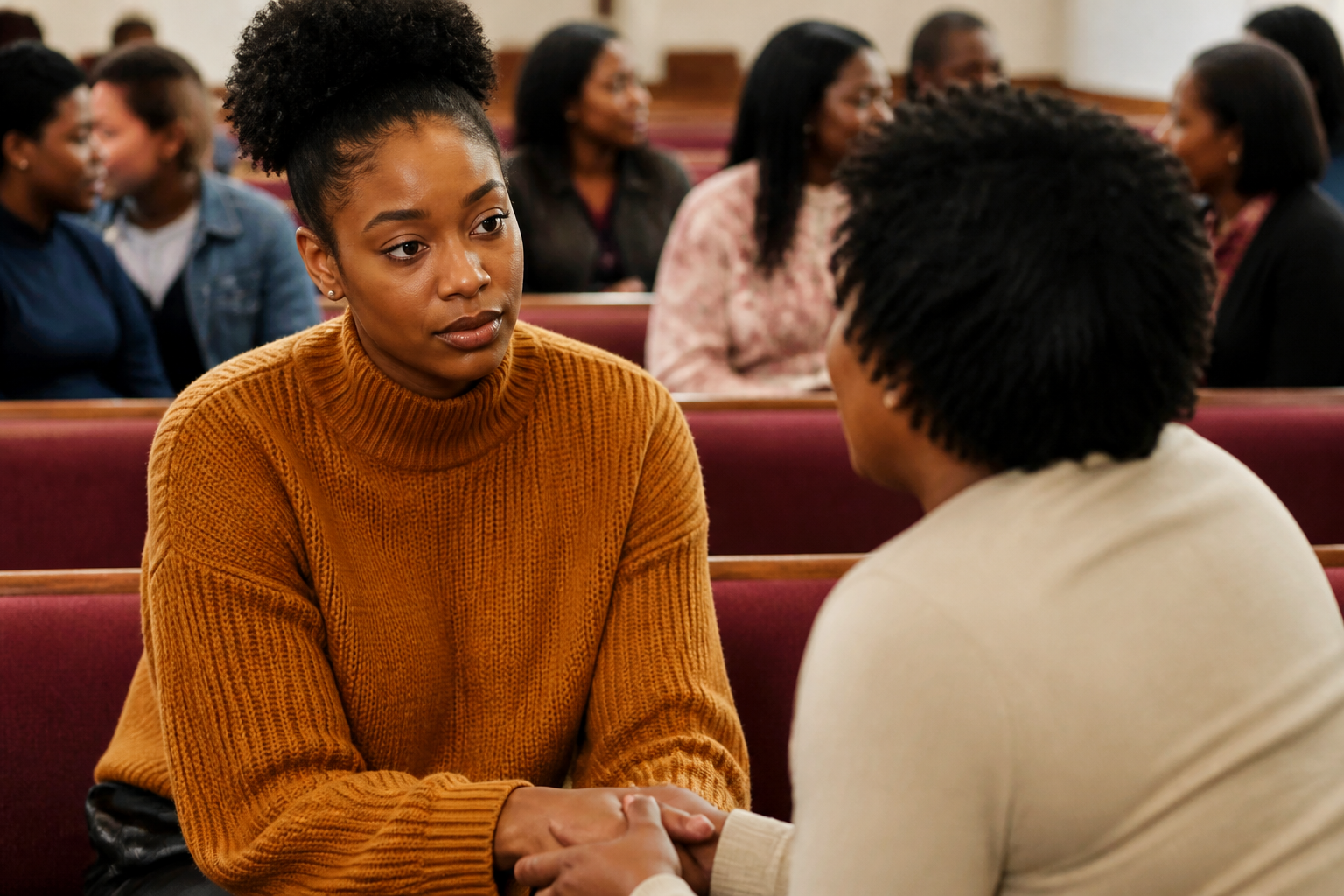
Historically, religious dogma and social conservatism within some congregations created environments where conversations regarding sexual health, lifestyle choices, and harm reduction were minimized or discouraged entirely. This reluctance to openly discuss sexual health contributed to lingering misinformation, late diagnoses, and delayed access to life-saving care for many individuals living with HIV within Black neighborhoods.
Overcoming Stigma to Tackle Disproportionate Health Impacts
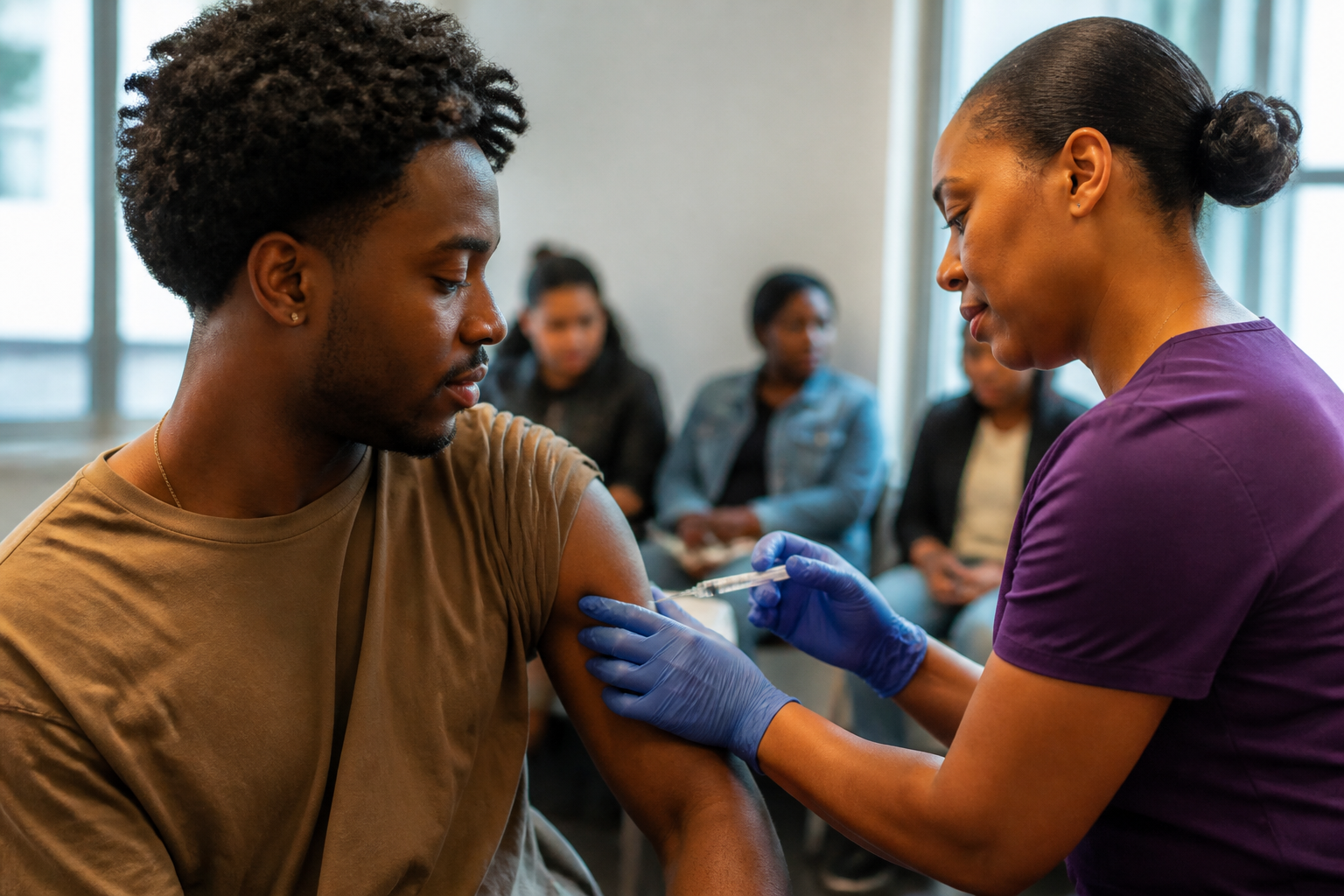
The need for active faith-based involvement is critical given the persistent disparities in HIV transmission and health outcomes. Black Americans continue to experience disproportionately higher rates of new HIV diagnoses compared to other racial and ethnic groups. Public health experts emphasize that medical interventions alone—such as pre-exposure prophylaxis (PrEP) and antiretroviral therapies—are insufficient without robust community support networks that reduce social isolation and shame.
When faith leaders step forward to host testing drives, promote comprehensive health education, and foster inclusive spaces, the impact on local public health is profound. De-stigmatizing the virus within the sanctuary allows churchgoers and community members to seek medical testing and adhere to treatments without fear of ostracizing judgment.
Aligning Faith, HBCUs, and Public Health Workforce Initiatives
Reconciling the Black church's past approaches to HIV also opens crucial pathways for collaboration with Historically Black Colleges and Universities (HBCUs). HBCU medical schools, public health departments, and nursing programs have long pioneered culturally competent care models tailored to Black populations. By pairing academic research and clinical expertise with the community reach of faith organizations, advocates can build sustainable public health pipelines.
Increasing the representation of Black doctors, researchers, and public health practitioners who understand both spiritual traditions and modern medical science helps bridge long-standing gaps. When HBCU-trained health professionals collaborate with local religious institutions, they create informed, trusted avenues for disease prevention and holistic wellness, ultimately transforming past challenges into stronger community resilience.