HIV & Sexual Health
Two Shots a Year Can Prevent HIV, But Access Inequities Leave Black Communities Behind
A breakthrough twice-yearly injection offers powerful protection against HIV, yet systemic healthcare barriers continue to restrict access for Black Americans.
Published September 22, 2026 · HealthHBCU Newsroom
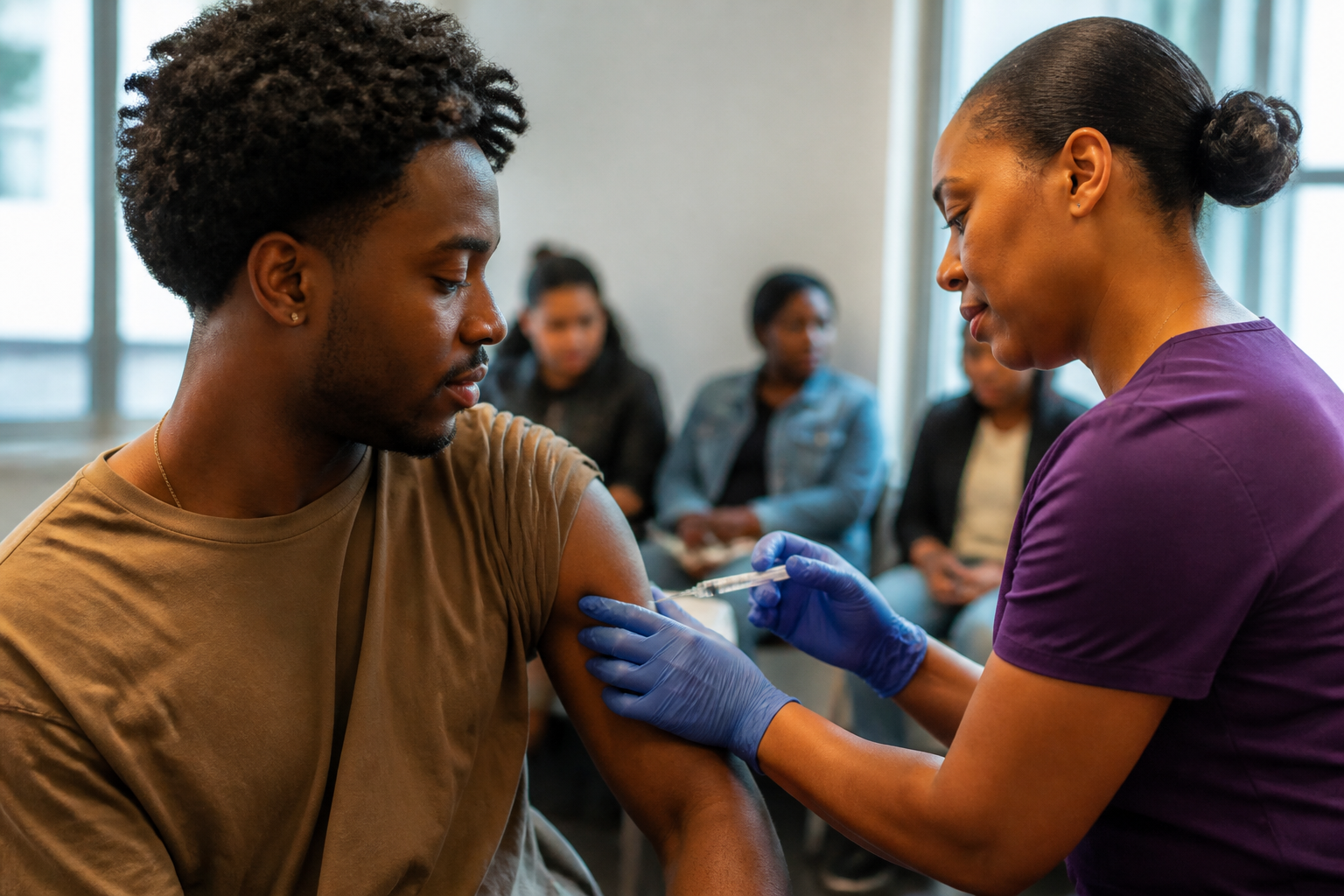
A groundbreaking advance in HIV prevention has introduced a long-acting injectable medication that requires only two doses per year to effectively block transmission. While this breakthrough offers unprecedented protection against new infections, significant barriers continue to prevent Black Americans from accessing this life-saving intervention.
Despite representing a disproportionate number of new HIV diagnoses across the United States, Black communities face systemic obstacles in obtaining modern preventative health care. Addressable factors such as healthcare access, insurance coverage, and systemic inequities continue to dictate who benefits from medical innovations.
Disparities in HIV Prevention Access
Pre-exposure prophylaxis, commonly known as PrEP, has transformed HIV prevention over the past decade. Traditional daily oral regimens required strict adherence, which often posed challenges for individuals facing housing instability, variable work schedules, or healthcare disruption. The arrival of twice-yearly injectable options eliminates the daily pill burden, offering a highly convenient and effective alternative.
However, the rollout of these long-acting shots highlights persistent inequities within the healthcare distribution system. Historical patterns show that new medical treatments frequently reach privileged populations long before becoming accessible in underserved communities. High out-of-pocket costs, limited insurance approval, and a shortage of provider awareness in predominantly Black neighborhoods slow the widespread adoption of these twice-yearly injections.
Addressing Barriers Through Culturally Informed Care
The gap between medical breakthroughs and real-world access underscores the critical need for systemic reform in how health resources are deployed. Public health experts emphasize that medical advancements alone cannot eliminate health disparities without intentional strategies focused on equity and community-based delivery.
Overcoming these barriers requires expanding clinical infrastructure in historically marginalized areas and ensuring that frontline providers are equipped to prescribe and administer modern PrEP options. Removing insurance hurdles and subsidizing costs remain vital steps toward ensuring these preventative shots reach the individuals who stand to benefit most.
The Role of HBCUs in Expanding Health Equity
Increasing access to advanced HIV prevention relies heavily on building trust and expanding the diverse healthcare workforce. Historically Black Colleges and Universities (HBCUs) play a pivotal role in this effort by training culturally competent medical professionals, public health leaders, and clinical researchers who understand the specific needs of Black communities.
HBCU medical institutions and research centers remain at the forefront of advocating for health equity, conducting community-centered outreach, and bridging the gap between innovative pharmaceutical developments and patient care. By fostering trusted relationships and advocating for equitable distribution policies, HBCU-trained professionals help ensure that advances in HIV prevention translate into meaningful health improvements for those long left behind by traditional healthcare systems.